

- Hungary
- Ireland
- Italy
- Malta, Republic of
- Portugal
-
Spain
-
Canary Islands
- El Hierro
- La Palma
- La Gomera
- Tenerife
- Gran Canaria
- Lanzarote
- Fuerteventura
- Tarajalejo
- Caleta de Fuste
- Corralejo
- Costa Calma
- Las Palmas de Gran Canaria
- Lobos Island
- Maspalomas
- Caleta de Famara
- Morro Jable
- Costa Teguise
- Jandía
- San Cristóbal de La Laguna
- Playa Blanca
- Playa de las Americas
- Puerto Calero
- Teide National Park
- Playa del Inglés
- Puerto del Carmen
- Los Realejos
- Puerto de Mogán
- Las Galletas
- La Orotava
- Anaga
- San Agustín
- Adeje
- San Bartolomé de Tirajana
- Puerto de la Cruz
- Los Cristianos
- Arrecife
- El Médano
- Orzola
- Masca
- Taurito
- Los Gigantes
- Fañabé
- Santa Cruz de Tenerife
- Santiago del Teide
- Garachico
- Punta del Hidalgo
- La Caleta
- Balearic Islands
-
Barcelona
-
Benalmádena
-
Cádiz
-
Córdoba
-
Jerez de la Frontera
-
Lleida
-
Málaga
-
Santander
-
Seville
-
Toledo
-
Canary Islands
Overview of Adeje
Adeje is an area of extreme diversity located just a short journey away from its neighbour, Playa de las Americas. During the summer months, Adeje’s temperatures rise above 30°C with 80% sun, leading to a very hot, humid climate. Though related, Adeje boasts what Playa de Las Americas cannot. Bursting with history, architecture and natural beauty, Adeje’s is also home to a vast variety of water and adven
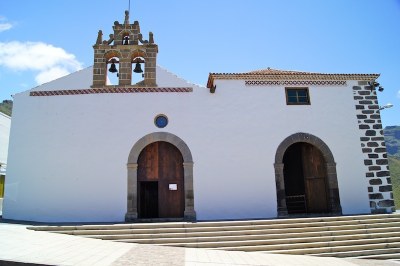
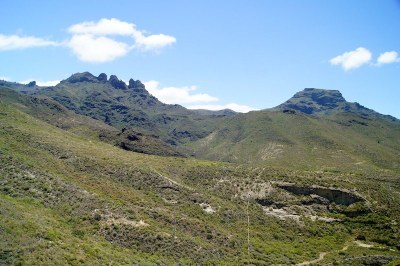
ture sports. To the south of Adeje is the picturesque area of Fañabé, which has a small stretch of beach to enjoy. As you enter Adeje you will notice its amazing landscape, which includes mountains and vibrant green foliage. There are many well kept parks and areas to sit and admire Adeje; each sight more interesting to look at than the next. The name `Adeje` was thought to come from the `Ajedad` tribe of the Moroccan origin. It has many historical statues and sights to visit, in particular the Casa Fuerte and Barranco del Infierno. Adeje also has a very religious background and has many shrines and churches to visit such as the Santa Ursula church.
History
Adeje was one of the kingdoms that made up the former organization of Tenerife during pre-Hispanic times. King Pelinor (Mencey= King) was faithful to the first governor of the Canary Islands. Castilian conqueror, Alonso Fernandez de Lugo had him baptised under the name of Diego. After being given parts of Adeje kingdom, Diego’s authority was delegated to the the Marquises of Adeje, whom also possessed power over the area since the 17th century. They were responsible for the adminis
tration of Adeje and also the economic wealth such as the land, water and sugar mill. The Pontes of whom were next in the line of authority built a fortified house in 1555, and in 1655 they were granted permission to turn Adeje into their own feudol manor.
Adeje became the heart of importance for Spanish colonialists, it being one of the four ‘kingdoms’ of the nine Menceys (Kings) that The Guanches had landed in. The Guanches bombarded the invading troops with spears and stones until they finally suffered defeat; leaving The Guanches with a temporary victory.The Guanches of whom are now extinct, were the first known residents of the Canary Islands between 100 BC and 1000 BC, and were thought to have migrated to Archipelago at this time. Many of the Guanches died resisting the new colonizers, and of whom were left died from the invader’s infectious diseases that they had little immunity to defend themselves against; this is thought to be because of their long term isolation during battle.
Swash buckling pirates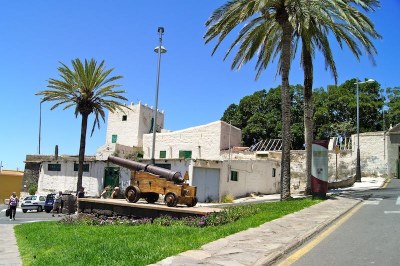
During the 14th century, the many British, French and Dutch pirates avoided Tenerife due to horror stories about the savage local inhabitants. After the Spanish conquest, however, the Island became a magnet to these pirates. The Canary Islands became a compulsory stopping point for the Spanish fleets on their way to and from the New World due to their strategic geographical positions. Because of this the islands became an obvious target for pirate attacks and foreign invasions. It was in 1555 that Pedro de Ponte (who also founded Grarachico town in 1496) built Casa Fuerte de Adeje (the Strong House) to defend its sugar cane business from being invaded by the British and French pirates. An English citizen named John Hawkins who was partner to Pedro de Ponte in the slave trade in America, is known to have lived in the Casa Fuerte de Adeje.
Casa Fuerte de Adeje was declared a historic monument back in 1986.
Culture
Sitting comfortably nestled in the Atlantic Ocean, Adeje prides itself for being a soothing coastal town; its atmosphere plays a great part in the way of life in Adeje. Adeje’s weather (balmy, tranquil summers and little rain) makes it a popular tourist destination.
Adeje is filled with local artistic passion, the mosaic windows of the churches and the creativity of the bars’ interiors express this. The Museum of Sacred Art also lies in Adeje, expressing the past of the Virgin of Candelaria in the form of exquisite artwork.
Religious traditions are taken very seriously in Adeje. La Calle Grande is a famous street in Adeje due to its Easter celebration. During this time over 200 actors gather to perform `The death and passion of Jesus Christ`. This is not only a celebration but a beloved tradition to the people of Adeje.
Overall, Adeje is thought of as a peaceful, respectful county with its community conveying a laid back but hard working image.
Economy
Fishing and farming are great industries in Adeje, a lot of the fresh produce (mainly fruit and vegetables) are brought into trade at the regular farmers markets. Agriculture played a dominant part of Adeje’s economy right up until the 1990‘s when business and tourism took priority.
How to get there
By bus:
Adeje is located just a short bus journey from Playa de las Americas. It is recommended to travel to Playa de las Americas first then to Adeje. TITSA bus number 111 runs from Santa Cruz via the main cities, and bus number 343 runs from Puerto de la Cruz via the major airports. From Playa de las Americas you can catch the bus number 460 from the bus station to Adeje junction which takes no more than 15 minutes.
By Car:
If you are travelling to Adeje from Playa de las Americas or Arona (south of Tenerife), then take the TF-66/ TF-1 South Highway via Fañabé into Adeje.