

- Hungary
- Ireland
- Italy
- Malta, Republic of
- Portugal
-
Spain
-
Canary Islands
- El Hierro
- La Palma
- La Gomera
- Tenerife
- Gran Canaria
- Lanzarote
- Fuerteventura
- Tarajalejo
- Caleta de Fuste
- Corralejo
- Costa Calma
- Las Palmas de Gran Canaria
- Lobos Island
- Maspalomas
- Caleta de Famara
- Morro Jable
- Costa Teguise
- Jandía
- San Cristóbal de La Laguna
- Playa Blanca
- Playa de las Americas
- Puerto Calero
- Teide National Park
- Playa del Inglés
- Puerto del Carmen
- Los Realejos
- Puerto de Mogán
- Las Galletas
- La Orotava
- Anaga
- San Agustín
- Adeje
- San Bartolomé de Tirajana
- Puerto de la Cruz
- Los Cristianos
- Arrecife
- El Médano
- Orzola
- Masca
- Taurito
- Los Gigantes
- Fañabé
- Santa Cruz de Tenerife
- Santiago del Teide
- Garachico
- Punta del Hidalgo
- La Caleta
- Balearic Islands
-
Barcelona
-
Benalmádena
-
Cádiz
-
Córdoba
-
Jerez de la Frontera
-
Lleida
-
Málaga
-
Santander
-
Seville
-
Toledo
-
Canary Islands
Overview of Funchal
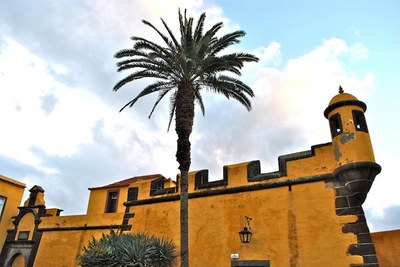
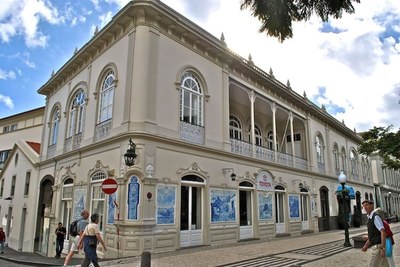
Funchal, the capital of the island of Madeira is packed full of things to delight. From beautiful golden beaches to shady parks to fascinating museums and adventure activities to a whole galaxy of incredible restaurants. There is something to be found in in Funchal for everyone. Whilst the city has recently exploded onto the cultural map, great care and attention has been taken so as not to damage or change its quaint cobbled streets, its colonial architecture or its majestic chapels. The city has been recently classified as one of the safest, friendliest and cleanest cities in Europe, with all of its beaches carrying blue flags for the cleanliness of their waters. These factors combined mean that visitors get to experience the Funchal of old, but packed with the activities and amenities of the new.
History
Officially founded in the early 1420’s by João Gonçalves Zarco, Funchal was originally comprised of two small settlements. After the discovery of fertile soils on Porto Santo, the opposite island of Madeira was quickly colonised, with the original settlements joining together to form the the urban core of Funchal. Owing to both its soils and its position on the coast, Funchal rapidly became a bustling port, which traded goods all over Europe, most notably with Lisbon. The city began to attract more settlers and farmers and was elevated to a municipality in the 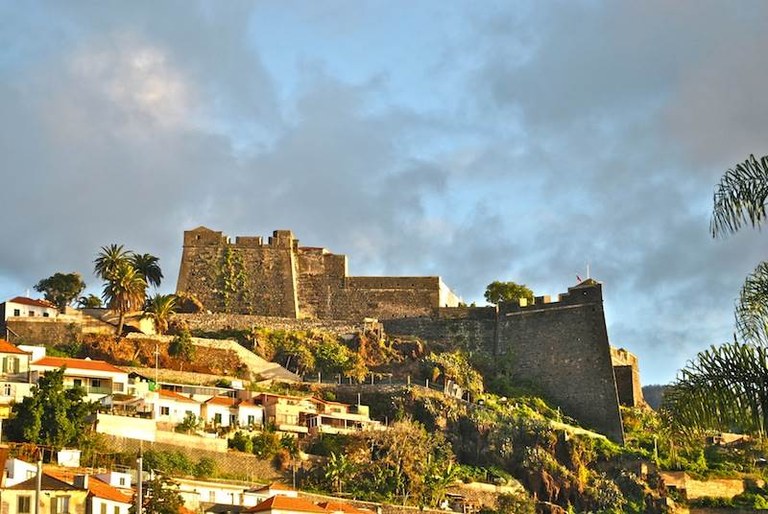 early 15th century. After this, many rich Portuguese landowners and heraldic families followed suit, making Funchal a powerhouse of agricultural industry. With so much trade being undertaken and goods exchanging hands, Funchal became a target for marauding bands of pirates who sailed the Atlantic. It was for this reason that the fort was built, and a substantial military presence established. These defences went through numerous changes, extensions and enlargements over the years, as did the many churches which were built around the city. Today, Funchal is still an active port and trade city, exporting wine and fruit all over the world, and even though its recent discovery as a tourist destination has prompted the establishment of many hotels and restaurants, it still retains a huge amount of its original infrastructure its atmosphere and its traditional way of life.
Culture
Churches and cathedrals are of supreme importance to both the topography of Funchal and to its history. Through the centuries, many branches of the Christian faith such as Episcopalian, Roman Catholic and Anglican have made their home on Funchal. Several monasteries dot the city, as do the seeds of other religions such as the Moors, whose influences can be seen in many of the religious buildings, like the beautiful Se Cathedral. The city suffered many problems over the years ranging from crop blight to pirate attacks to economic catastrophes and outbreaks of the plague. It is for this reason that a great many patrons have been established to protect the city and also explains the wide proliferation of churches and the division of Funchal into separate parishes. Funchal’s churches also housed some of Madeira’s most profound and important religious relics over the years such as crosses, fountains, jewels and art works. These can now be seen in the many museums established for their display and safekeeping.
Economy
Much of Funchal’s economy is now almost entirely underpinned by the tourist industry. Funchal’s hotel zone, centre and marina are the largest economic areas of the city, with many hotels and foreign investors setting up businesses on the island to cater for a wealth of visitors - from families seeking a relaxing break by the beach to hardened adventure-tourists wanting the thrills of big game fish, diving and sailing. The hundreds of restaurants dotted on every street in Funchal also provide a steady income for their owners, as during the summer months the city becomes a hive of after-hours activity. A small amount of the city’s income does however still come from trade. Similarly to years gone by, wine is still a major export out of Madeira, and many famous wine houses such as Blandy’s are located in and around Funchal. Also, fishing still plays a large part, as the warm waters of the Atlantic are host to a wide variety of large fish such as blue and yellowfin tuna, and the legendary blue marlin, whose steaks and fillets fetch handsome prices on the European market.