

- Hungary
- Ireland
- Italy
- Malta, Republic of
- Portugal
-
Spain
-
Canary Islands
- El Hierro
- La Palma
- La Gomera
- Tenerife
- Gran Canaria
- Lanzarote
- Fuerteventura
- Tarajalejo
- Caleta de Fuste
- Corralejo
- Costa Calma
- Las Palmas de Gran Canaria
- Lobos Island
- Maspalomas
- Caleta de Famara
- Morro Jable
- Costa Teguise
- Jandía
- San Cristóbal de La Laguna
- Playa Blanca
- Playa de las Americas
- Puerto Calero
- Teide National Park
- Playa del Inglés
- Puerto del Carmen
- Los Realejos
- Puerto de Mogán
- Las Galletas
- La Orotava
- Anaga
- San Agustín
- Adeje
- San Bartolomé de Tirajana
- Puerto de la Cruz
- Los Cristianos
- Arrecife
- El Médano
- Orzola
- Masca
- Taurito
- Los Gigantes
- Fañabé
- Santa Cruz de Tenerife
- Santiago del Teide
- Garachico
- Punta del Hidalgo
- La Caleta
- Balearic Islands
-
Barcelona
-
Benalmádena
-
Cádiz
-
Córdoba
-
Jerez de la Frontera
-
Lleida
-
Málaga
-
Santander
-
Seville
-
Toledo
-
Canary Islands
San Juan de la Rambla
Overview
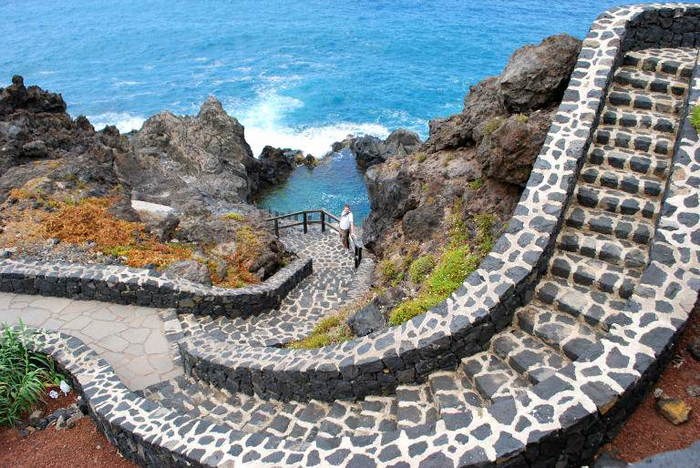
Situated within the lower district of Icod de los Vinos, San Juan de la Rambla is a small and charming coastal town, providing an almost exclusive sense of escapism from the larger and more vibrant municipalities on the island.
With a vast mountain backdrop and sweeping panoramic views of the Atlantic Ocean, the town could be described as a picture perfect getaway from the stresses and strains of working life.
A quiet and laid back town, visitors to San Juan de la Rambla will be pressed to find any entertainment of great value, but a walk along one of the secluded rocky coves, lunch at a traditional and welcoming restaurant followed by a dip in the Laja Pool will make up for any lack of shopping or nightlife.
Ideal for slow walks and a chance to relax, San Juan de la Rambla is also rich in Canarian history and tradition and is one of the oldest fishing towns on the island; an area of the economy that still thrives within the town today.
The beauty of Tenerife’s natural landscape is perhaps more present in San Juan de la Rambla than many other towns within the island, with awe inspiring cliff-top views panning out across the ocean and the north of the island.
San Juan de la Rambla borders the Atlantic Ocean to the north, with Los Realejos to its east, La Orotava to the south and La Guancha westbound.
History
The town of San Juan de la Rambla originates from the early 16th century, at the end of the conquest of the islands. Built in the area formerly known as ‘The Badlands of Icode’, the inhabitants of the town were largely made up of Spanish and Portuguese colonists who set out to capitalise on the rich and fertile lands that made up the north coast of Tenerife.
A key name in the town’s history is Don Martín Rodríguez, a Portuguese settler who is largely acknowledged as the founder of the town. Rodríguez influenced the construction of the town’s Church of San Juan Bautista, which led on to the growth of the plaza and the houses that surround it.
The 17th and 18th century saw San Juan de la Rambla thrive as a town. Agriculture was, and still is, a big part of the town’s life as wealth poured in from the surrounding sugar and wine plantations. Bananas were another rich source of income as they became ever more popular in mainland Europe and there still is a prosperous banana factory in the town to this day.
The town also saw its fair share of disaster too. In the early 18th century San Juan de la Rambla was one of the worst towns affected by the Trevejo volcanic eruption, with 25 of the townsfolk dying and the Church of San Juan Bautista being destroyed. However the town recovered and remained affluent and well looked after.
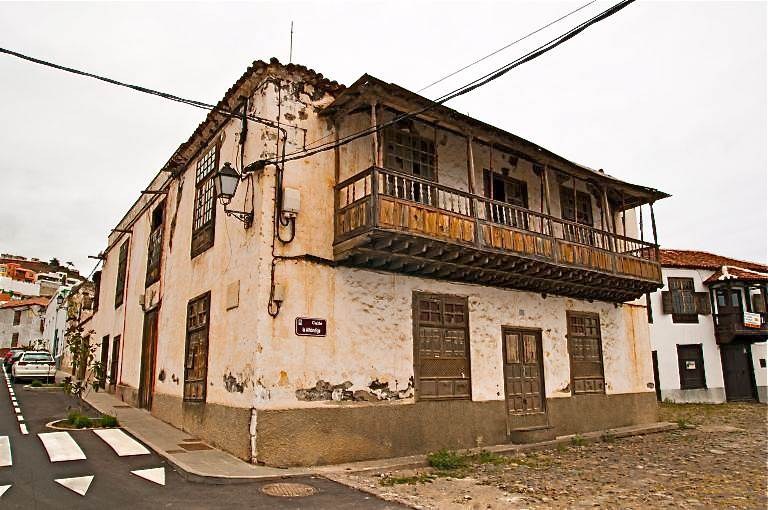
The modern age and the tourist boom that came with it to the Canaries have looked after the town. Whilst other areas of Tenerife built hotels and modernised to cater for the tourist trade, San Juan de la Rambla has remained largely agricultural with a large percentage of the town’s population being traditional Canary Islanders.
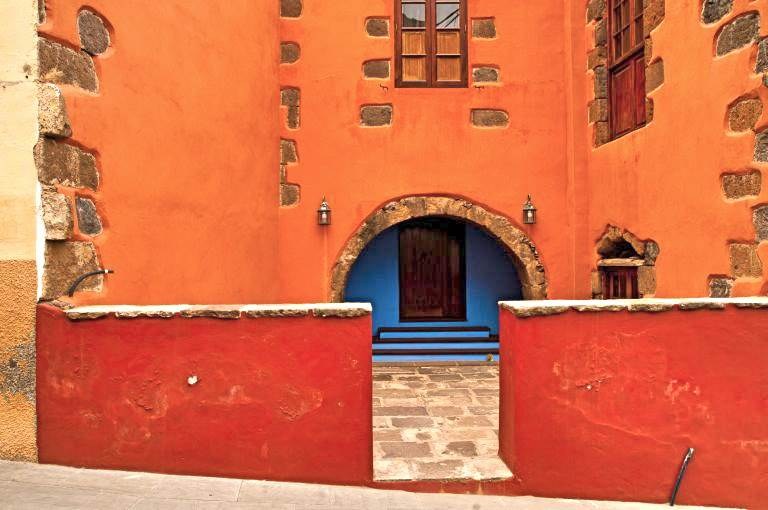
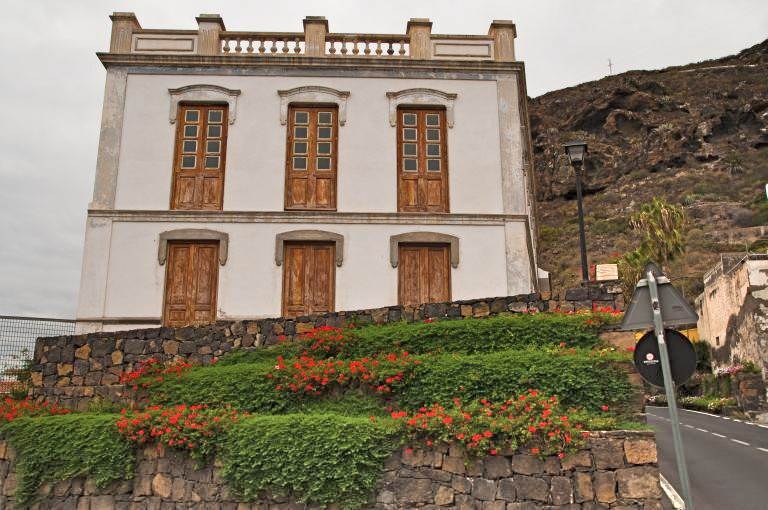
In 1993, San Juan de la Rambla was declared as a town of historical value and cultural interest by the Canarian government, in recognition for the town’s picturesque beauty and its traditional buildings that have stood the test of time.
Culture
The typically Canarian culture of San Juan de la Rambla is laid back and carefree. Stresses and burdens are predominantly forgotten and replaced with a sense of well being and relaxation with the towns’ slower pace of life providing a perfect tourist hideaway.
With quiet streets and small plazas, the town enjoys unrivalled seclusion on a daily basis as many tourists pass this town by when travelling on the highway en route to one of the islands more ‘tourist friendly’ areas.
Historical and religious cultures also shine through in San Juan, with Calvary Cemetery providing one of the town’s focal points and the much adored festival of San Juan Bautista in June which concludes with the Papada, a traditional collective dinner.
Economy
The economy in San Juan de la Rambla is based mainly around agriculture and the services industry. Wine, wheat, potatoes, bananas and fresh fruit and vegetables are all farmed and produced in the lush hills and fertile plantations that run along the slopes of Mount Teide. Most of the population within the town are employed into the tourism sector too, either in San Juan itself or in one of its neighbouring towns such as La Guancha or Los Realejos. The fishing trade is also an active part of San Juan’s economic output, with a number of fish and sea fruits being caught and freshly supplied to restaurants both in and out of town on a daily basis.
Sights
The Church of San Juan Bautista
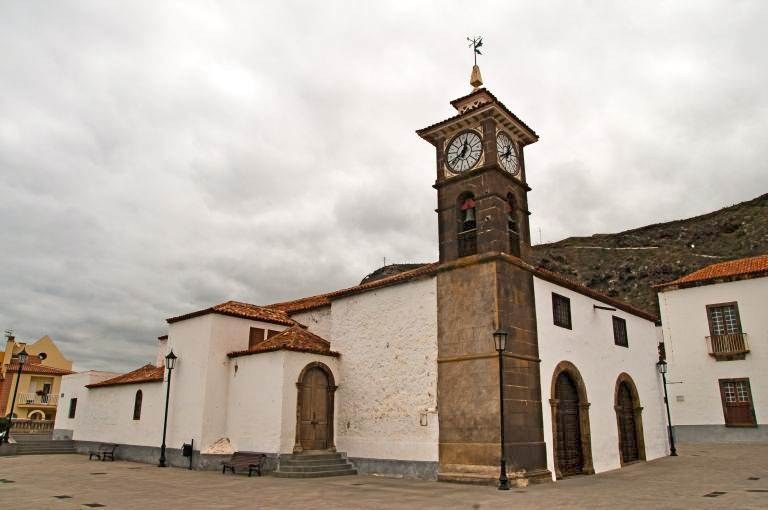
The original church was built by the founder of the town, Martín Rodríguez, in 1530. However, after it was destroyed by severe storm in the 18th century, the result is the existing church that can be seen today in the central plaza. The extravagant spire is a true indication of the era which the church was rebuilt in - at the height of the Spanish Empire - and inside is no different. The church houses some priceless artefacts, well above what would be expected from a small town church. The two of particular interest are a priceless golden chalice and a silver script Dolorosa, both of which were brought over from the Americas by Spanish Conquistadors. Treasures aside, inside the church is typical of what is found around the islands, with Tuscan columns and Baroque structuring. Two magnificent sculptures of San Antonio and Virgen del Pino are also worth looking at.
Calvary Cemetery
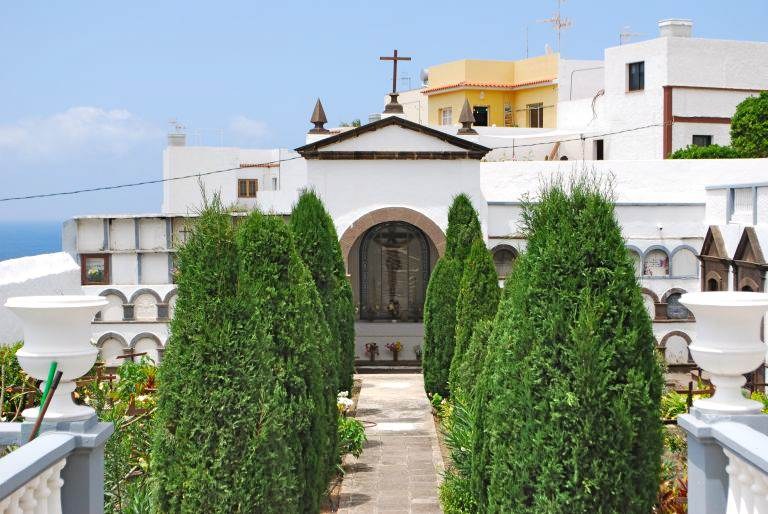
The quaint and tranquil 19th century cemetery can be found on the western side of town on Avenida Jose Antonio. Inside the grand wooden gates is a place where visitors can relax and take in the calming atmosphere that these religious grounds exude. The cemetery is no bigger than an average sized garden, with a raised patio area that goes around three walls of the site that surround the simple graves that sit in the grassed central garden. On the three walls are hundreds of post boxed sized niches, that each commemorates a past resident of the town. The centre piece to the place is the beautifully crafted alter on the far wall of the cemetery, depicting the Virgin Mary. The chapel is perfectly set, with a path leading up to it from the entrance to the cemetery being aligned with trees along with the bright blue sea in the back ground.
Activities
Laja Pool
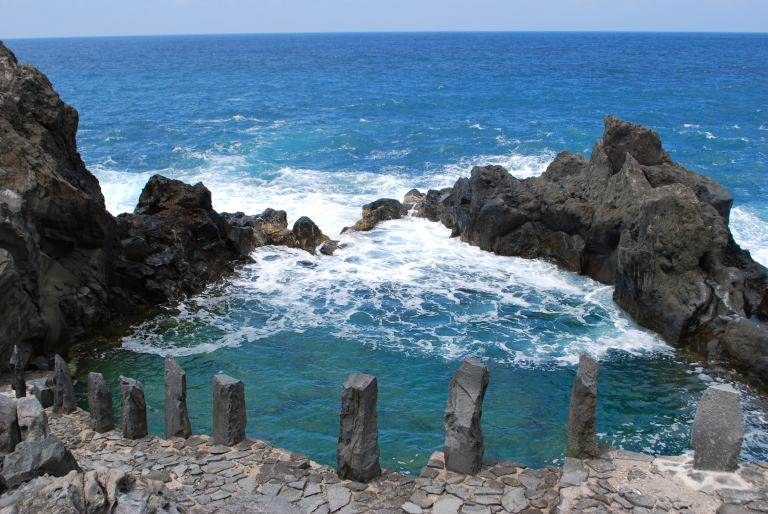
The idyllic catch pool of Laja is found on the far western side of San Juan de la Rambla. The naturally formed pool is a fascinating attraction, as this tranquil swimming area sits amidst the harsh and jagged coastline formed by the island’s past volcanic activity. Every day as the tide recedes a fresh intake of water is left in the eight foot deep pool, making for perfect swimming conditions. Bathers can drift safely amongst the sheltered rocks whilst waves crash over them. A great effort has been made by the town to make the place as accessible as possible, with a viewpoint of the cliff tops above that leads down to the small coves and then the final few steps that have been carved into the rock so visitors can wade down into the pool itself.
Municipal Swimming Pool
Located on the eastern tip of the town, this swimming complex is a great family day out. Whilst children swim in the safety of the man-made pool, that has a shallow and deep end, parents can sit in the bar and restaurant that are also found on site. A meal can be bought from the restaurant for a reasonable price and available on the menu are pizzas, burgers and paellas. The views from the pool are also of the highest quality, as bathers can see all the way down the rocky coastline towards Puerto de la Cruz as they kick back in the deep end.
Beaches
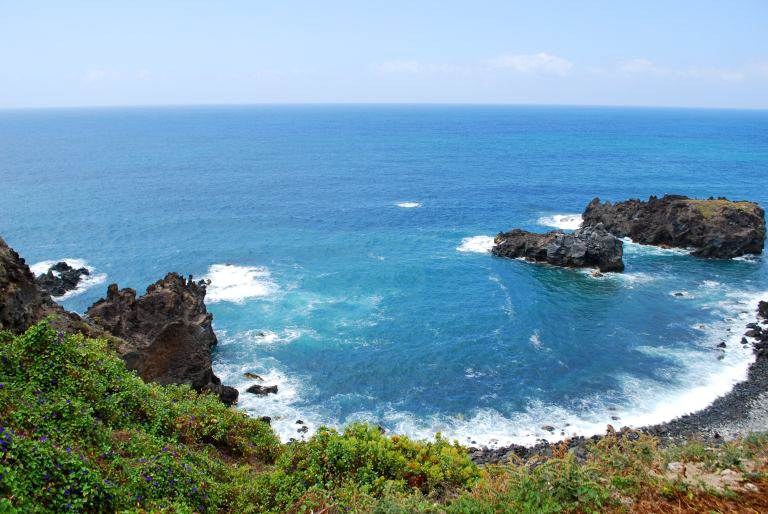
San Juan de la Rambla has a number of small and secluded rocky coves that cling to its shoreline.
Playa de las Aguas
The main beach of San Juan de la Rambla is Playa de las Aguas, taking its name from the neighbouring town, and is made up of dark pebbles and large volcanic rock. Although unsuitable for sandcastles and perhaps un-entertaining for small children, it does provide good sunbathing areas for those who wish to perch themselves on one of the many large, flat-surfaced rocks as well as a unique walking experience for ramblers and intrepid explorers.
Laja Pool
The idyllic catch pool of Laja is found on the far western side of San Juan de la Rambla. The naturally formed pool is a fascinating attraction, as this tranquil swimming area sits amidst the harsh and jagged coastline formed by the island’s past volcanic activity. Every day as the tide recedes a fresh intake of water is left in the eight foot deep pool, making for perfect swimming conditions. Bathers can drift safely amongst the sheltered rocks whilst waves crash over them. A great effort has been made by the town to make the place as accessible as possible, with a viewpoint of the cliff tops above that leads down to the small coves and then the final few steps that have been carved into the rock so visitors can wade down into the pool itself.
Festivals
Some of the popular festivals of San Juan de la Rambla are:
May 12th - Fiesta de San Pancracio, Plaza de la Paz
June 24th - Fiesta de San Juan Bautista
September 12th - Fiesta de San José
Restaurants
Dinning in San Juan de la Rambla is a typically Canarian affair, with traditional meat, fish and soup dishes freshly prepared and accompanied by excellent locally produced wines.
Las Palmeras
A small and friendly family run restaurant serving a range of hearty Canarian dishes with vieja, a freshly prepared fish dish with oil and vinegar and salty potatoes, being just one of the highlights.
Address: C/ Estrecha, 13, 38420 San Juan de la Rambla, Tenerife.
Las Aguas
Las Aguas is located in a picturesque and traditional country residence above the promenade, offering a varied range of freshly caught fish as its house speciality. Note that Las Aguas is closed on Monday’s.
Address: La Destilla 18, 38429 San Juan de la Rambla, Tenerife.
Telephone: +34 922 360 428
Nightlife
Understandably San Juan de la Rambla has very little in the way of nightlife. A couple of small bars, Bar Tabaiba and Bar Marfil on Avenida Jose Antonio and Bar Victoria are all that San Juan has to offer in terms of drinking and after hour’s fun. They do however offer extremely well priced domestic and imported beers and a good selection of wines and spirits. The food on the menus ranges from typically Spanish dishes like paella and locally caught sea fruits and stews to burgers and familiar bar snacks. For those looking for a livelier scene it is more advisable to head to nearby Puerto de la Cruz for a bigger selection of bars and clubs. The number 363 TITSA bus heads Puerto’s way every half hour and takes around 35 minutes.
Shopping
Shopping opportunities in San Juan de la Rambla are somewhat limited as the town has little to cater for by way of touristy needs for visitors. There are no souvenir and trinket shops lining the streets and visitors will be disappointed if they arrive at San Juan expecting to find the same amenities as other, larger towns. Avenida Jose Antonio has a well stocked pharmacy, a bank, a post office and a small grocery store; businesses catering more for its local residents rather than the influx of visitors and mass tourism.
The lack of shops in San Juan is by no means a hindrance to the town though. Most visitors are attracted to the area for its spectacular coastal views or for a quick stop-off for lunch before moving on to their desired destination. Nearby Los Realejos and Puerto de la Cruz are far more accommodating to those who wish to hit the shops and take home a few arts and crafts.