

- Hungary
- Ireland
- Italy
- Malta, Republic of
- Portugal
-
Spain
-
Canary Islands
- El Hierro
- La Palma
- La Gomera
- Tenerife
- Gran Canaria
- Lanzarote
- Fuerteventura
- Tarajalejo
- Caleta de Fuste
- Corralejo
- Costa Calma
- Las Palmas de Gran Canaria
- Lobos Island
- Maspalomas
- Caleta de Famara
- Morro Jable
- Costa Teguise
- Jandía
- San Cristóbal de La Laguna
- Playa Blanca
- Playa de las Americas
- Puerto Calero
- Teide National Park
- Playa del Inglés
- Puerto del Carmen
- Los Realejos
- Puerto de Mogán
- Las Galletas
- La Orotava
- Anaga
- San Agustín
- Adeje
- San Bartolomé de Tirajana
- Puerto de la Cruz
- Los Cristianos
- Arrecife
- El Médano
- Orzola
- Masca
- Taurito
- Los Gigantes
- Fañabé
- Santa Cruz de Tenerife
- Santiago del Teide
- Garachico
- Punta del Hidalgo
- La Caleta
- Balearic Islands
-
Barcelona
-
Benalmádena
-
Cádiz
-
Córdoba
-
Jerez de la Frontera
-
Lleida
-
Málaga
-
Santander
-
Seville
-
Toledo
-
Canary Islands
Overview of Morro Jable
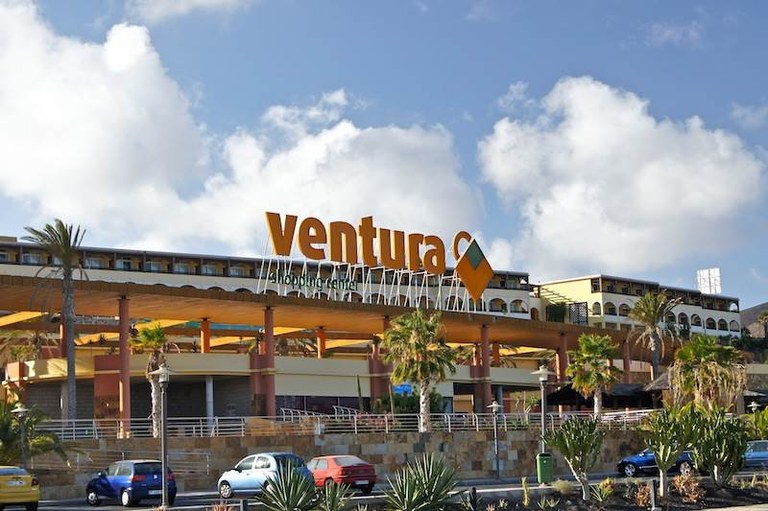
Sitting on the Jandía peninsula, Morro Jable is situated in the south of Fuerteventura. The main attractions of Morro Jable are its white sandy beaches and range of activities, shops and restaurants. This tourist haven attracts a large amount of German visitors each year and is a great place to escape the European winter or enjoy an action packed family holiday.
History
Morro Jable forms part of the greater municipality of Pájara and is located on the Jandía pennisular, south of Fuerteventura. The town used to go by the name of Puerto de la Cebada,meaning the Barley Harbour. The French were the original invaders of Fuerteventura, and Jable is a corruption of the French word for sand (sable). Morro Jable has a relatively short history as people first settled in the town in 1900. In previous years the town was an isolated fishing village with a population of around 200. In the 1970s and 1980s the natural white sandy beaches, clear blue seas and marine life attracted developers to build hotels. Previously the only way to reach the resort was via dirt track, and so in 1982 a main road was built. Since then the resort has continued to expand each year. The once small fishing village now grew into a tourist Mecca.
Culture
Culture in Morro Jable is essentially Spanish, with a dash of latin American influence. Many people are part of the Catholic Church and attend mass on a weekly basis. The love of music, art and dance evident in the number of fiestas that take place during the year. Though Morro Jable has developed into a tourist destination, the older town still retains its traditional fishing village ambience.
Economy
In the past, the economy of Morro Jable centred around fishing due to the town's location on a coast rich in marine life. The land is too barren and dry for agriculture, so most of the inhabitants were fishermen. Recently, the explosion of tourism has created many jobs for the locals and the people from surrounding areas.
How To Get There
By Bus:
From Puerto del Rosario (capital of Fuerteventura), Tiadhe bus number 1 departs regularly for Morro Jable. Bus number 10 heads to Morro Jable via airport but runs only 4 times daily (and less on weekends).
Morro Jable is also well connected by bus with its coastal neighbours: Tiadhe bus number 05 runs regularly between Morro Jable and Costa Calma. Bus number 25 also make a detour to Costa Calma when running between Morro Jable and La Lajita.
By Car:
Morro Jable is reachable via FV-2 from Puerto del Rosario and airport.