

- Hungary
- Ireland
- Italy
- Malta, Republic of
- Portugal
-
Spain
-
Canary Islands
- El Hierro
- La Palma
- La Gomera
- Tenerife
- Gran Canaria
- Lanzarote
- Fuerteventura
- Tarajalejo
- Caleta de Fuste
- Corralejo
- Costa Calma
- Las Palmas de Gran Canaria
- Lobos Island
- Maspalomas
- Caleta de Famara
- Morro Jable
- Costa Teguise
- Jandía
- San Cristóbal de La Laguna
- Playa Blanca
- Playa de las Americas
- Puerto Calero
- Teide National Park
- Playa del Inglés
- Puerto del Carmen
- Los Realejos
- Puerto de Mogán
- Las Galletas
- La Orotava
- Anaga
- San Agustín
- Adeje
- San Bartolomé de Tirajana
- Puerto de la Cruz
- Los Cristianos
- Arrecife
- El Médano
- Orzola
- Masca
- Taurito
- Los Gigantes
- Fañabé
- Santa Cruz de Tenerife
- Santiago del Teide
- Garachico
- Punta del Hidalgo
- La Caleta
- Balearic Islands
-
Barcelona
-
Benalmádena
-
Cádiz
-
Córdoba
-
Jerez de la Frontera
-
Lleida
-
Málaga
-
Santander
-
Seville
-
Toledo
-
Canary Islands
Tacoronte
Overview
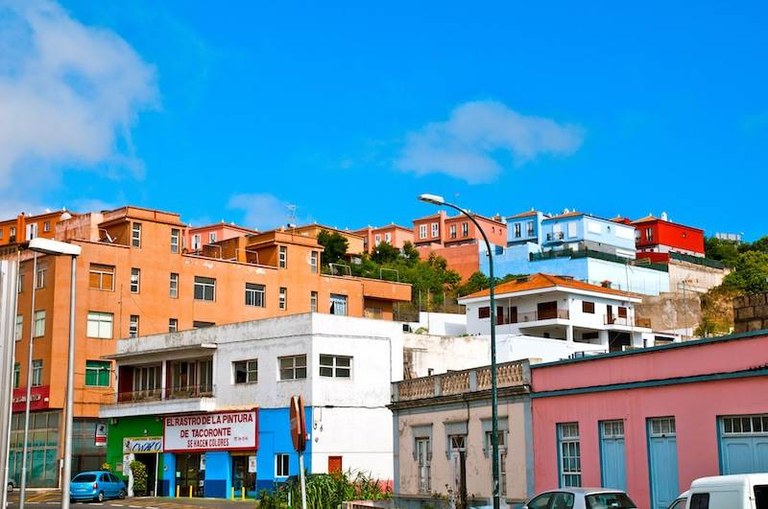
Tacoronte is situated in the northeast of Tenerife and has been given the title ‘Capital of good fisherman’s wine’, with some of its red labels considered to be amongst the best in the world. Perched in the hills leading down to the coast, the lay of the land is perfect for growing grapevines. Moreover, the rich volcanic soil in the area allows a wealth of fruit, vegetables and flowers to be grown in the plush greenery of the rural region.
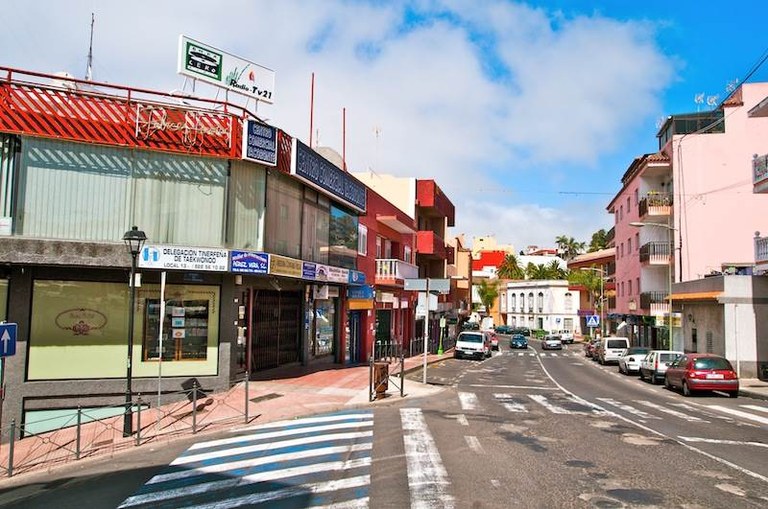
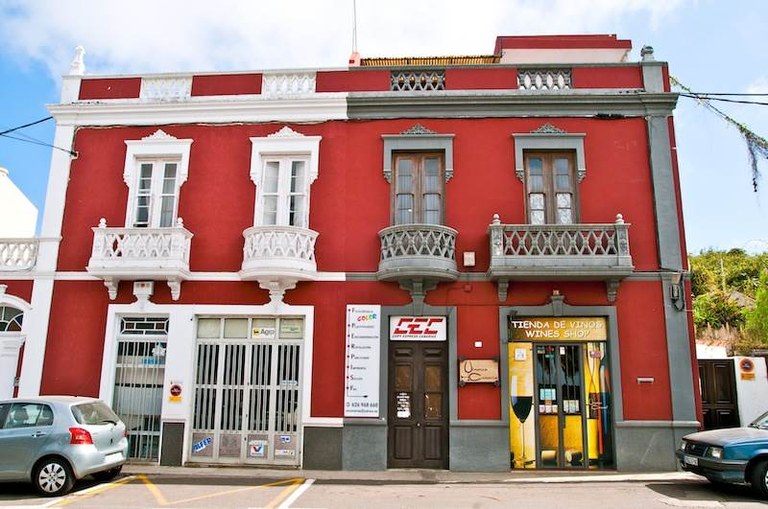
Whilst the district of Tacorante covers more than thirty square kilometres, the city is rather small with most of the surrounding area devoted to agriculture. The bustling main street has many shops and businesses but if you wander down from here you will find yourself in the old part of the city. This is a beautifully preserved town with cobbled streets of colourful houses and white washed buildings, giving the air of an old Mediterranean village. La Plaza del Cristo, the main square of the old town is lined with the Iglesia El Cristo, Convento San Agustín and the Town Hall, or Ayutamiento in Spanish. It is, therefore, no wonder that this square hosts most of the towns many fiestas and local celebrations.
The tourist friendly town is proud of its history and there are trails set out leading you to the most historical and well preserved buildings in the town including Casa de la Alhondiga, which, over the years has been used as a corn exchange, a bakery, a slaughterhouse and a prison! Strolling around the town is the best way to catch sight of the breathtaking views over the uninterrupted, glittering blue sea and coastline.
This province also houses a lot of natural interests such as one of the last remaining parts of the laurel forest, Agua García. It also boasts a park and the protected areas of Costa Acentejo and Las Lagunetas.
History
The name ‘Tacoronte’ comes from the word ‘Tagoro’. In the language of the aboriginal people of Tenerife, the Guanche, ‘Tagoro’ means ‘place where the Council of Elders meet’. In ancient times, it was ruled over by a devoted and beloved ‘Mencey’, King of Acentejo. At the end of the 15th century the Spanish took control of the Island and Sebastiano Machiado, a Portuguese man who had taken part in the conquest, founded the town. The town settlement was arranged around the hermitage he built, which is now the site of the church Santa Catalina, the oldest church in Tacoronte. King Alfonso XIII of Spain declared the Tacoronte area as a province in 1911.
Culture
The new part of the city is bustling with working locals, cafes and shops whilst the old part is rather tranquil and displays a much more relaxed way of life. The small cafes with outside seating provide the perfect rest stop for the weary tourist and also act as a meeting place for the locals.
Religion plays a large role in the life of the community and if you happen to be visiting around a religious festival, you are sure to see signs of celebration. One that is celebrated in a way particularly unique to Tacoronte and the surrounding area is ‘Corpus Cristi’. It is held at the beginning of June to celebrate the Holy Communion. The celebration involves locals creating intricate patterns and historical scenes on the roads and plazas from volcanic sands and flowers of all colours. There are a number of religious buildings and monuments to see, such as El Calvario, an ancient religious stop for travellers, which the road it is on is named after.
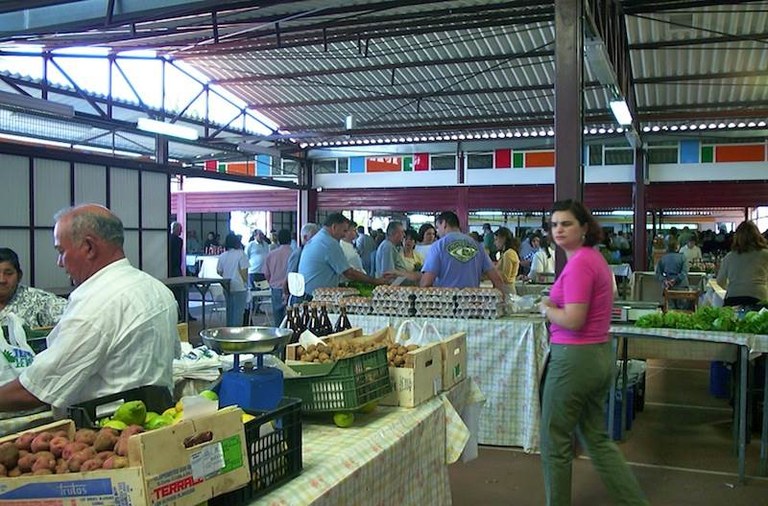
On weekends there is a market on the Valle Guerra, which is outside the main town. At the market, called ‘El Mercadillo’, you can buy local produce of fruit, vegetables and flowers and get a real taste of the area.
Economy
Historically the main industry in this area is agriculture. Particularly, the cultivation of grapevines for making wine, which is still the area’s main produce. Although much of the province is agricultural land, the more than 21,000 strong population has largely moved to urban areas to work in industry or increasingly tourism.
How to get there
By Bus:
TITSA Bus 101 runs from Puerto de la Cruz to Tacoronte every half an hour and the journey takes about 30 minutes. This bus also stops at La Laguna and terminates after an hour and a half at the capital, Santa Cruz.
If you are in the La Laguna or El Sauzal, TITSA buses 011 and 012 runs regularly between the two cities via Tacaronte. There is also TITSA Bus 051 offering circular route: La Laguna- Tejina-Tacoronte-La Laguna and vice-versa on half an hour basis.
If travelling from La Orotava, TISTA Bus 062 runs 6 times daily.
There are also town buses between Tacoronte and other smaller towns in the area and the beaches. Bus 021 takes you to the coast and follows the twenty minute trip from Tacoronte to Mesa del Mar, stopping at El Calvario. Bus 023 runs from Tacoronte to El Calvario and El Pris, taking just over twenty minutes. The timetables for these buses vary with the time of day and year but there is approximately an hour between each bus.
By Car:
If travelling by car take the TF-5 motorway travelling northeast from Puerto de la Cruz and west if coming from La Laguna or Santa Cruz.
Sights
Town centre self-guided walking tour
The historic town is typically religious and there are a number of beautiful churches and convents. The local authorities have created a walking tour of the local historical monuments, which you follow on a map available from the tourist office. The tourist office is situated on the corner at the fork of two roads: Carretera General del Norte and Carretera Tacoronte-Tejina. There is the option of two tours, a 45 minutes one takes you through the old town and six of its monuments. On the other hand, a longer tour takes you to monuments that are further from the town centre. It is suggested that you will need 5 hours for this tour if you are on foot, however you can follow it by car if your legs aren’t up for the hilly terrain.
Other areas of historical interests are the 18th Century Casa Cassilda, the 17th Century Ermita, and Temple of La Caridad, which houses a neo-classical altarpiece, and the Ermita San Juan built in 1740.
Parque Hamilton
This park is in the centre of the old town and runs from Plaza del Cristo down to El Calvario. The Hamilton’s were an English family who lived in Tacoronte and once owned the land that is now the park. They are regarded as the frontiers of tourism in this area as they devoted much of their time encouraging the English to visit their beautiful island. The park is full of plants and trees indigenous to the area and their shelter attract many birds. The shade of the trees and the song of the birds make it an enjoyable place for a stroll. There are also bridges and toys to entertain children. This is part of the short Town Centre walking tour organised by the local authorities.
Location: Calle Calvario, 38350 Tacoronte, Tenerife(northeast from Plaza del Cristo/ Town Hall).
Iglesia El Cristo and Convento San Agustín
The 17th Century church and convent preside over Plaza del Cristo. Whilst most of the church is beautiful in its simplicity, with white wash walls and wooden structure, there is a gleaming ornate, silver alter piece. The Convent follows the same simple structure with a square garden in the centre. There are often small, local exhibitions held within the convent. This is also a stop on the town centre walking tour organised by the local authorities.
Address: Calle Plaza del Cristo, 38350 Tacoronte, Tenerife.
Santa Catalina
Santa Catalina is not included in the town centre walking tour but can be found by continuing west down El Calvario. It is well worth a visit as the oldest church in Tacoronte, if not for the church itself then for the beautiful cemetery on the opposite side of the road. Here the white walls are lined with marble memorial plaques, each illuminated by brightly coloured fresh flowers. From the top of the cemetery you can see the dazzling blue sea beyond the perfectly white walls. Santa Catalina is built on the site of the Hermitage, which the population settled around when Sebastian Machiado founded the town in the early 16th Century.
Location: west of El Calvario, 38350 Tacoronte, Tenerife.
The cemetery is open between 8am and 2pm in the week and 9am until 1pm on Sunday.
La Alhóndiga
Whilst Santa Catalina may have been the religious centre of the old town, La Alhóndiga was the centre of trade. The ancient building was built above floor level to protect its treasures of grain, baked goods, meat and occasionally prisoners. It is now sometimes used as an exhibition centre to publicise local wines. The building is a stop on the Town Centre walking tour organised by the local authorities.
Museums
Casa del Vino La Baranda & Casa de la Miel
The TenerifeIsland Council now owns this large traditional estate and restored it in 1996 in order to promote the Tenerife wine industry. Inside you can learn where and how to grow the best grapes in the different wine regions of the island, the history of the rise of the Tenerife wine labels and have a lesson on how the wine should be tasted. There are also tasting rooms and a beautiful restaurant and bar with a large terrace. You can get the Number 012 bus from Tacoronte or El Sauzal up to the museum, however the entrance is the opposite side to the visitors’ car park and where you get off the bus. Make sure you go there first for translations and extra information on any of the concerts, lectures, exhibitions and courses that are held in the building. Address: Autopista general del Norte (north motorway), Km 21 (El Sauzal exit. La Baranda), Calle San Simón 49, 38360 El Sauzal, Tenerife.Telephone: +34 922 572 535 and 922 572 542
Opening hours:
House museum: Tuesday 10:30 - 18:30, Wednesday to Saturday 09:00 - 21:00, Sunday 11:00 - 18:00, Holidays 11:30 - 17:30. Closed on Monday.
Restaurant: Tuesday to Saturday 13:30 - 23:00, Sunday and holidays 13:00 - 16:00.
Wine Bar: Tuesday 10:30 - 23:00, Wednesday to Saturday 09:00 - 23:00, Sunday 11:00 - 18:00, Holidays 11:30 - 17:30. Closed on Monday.
Activities
Bosque Agua García
The forest is one of the last remaining parts of the laurel forest that six million years ago ran from the south of Europe to North Africa. It has a remarkable diversity of environments, which make for an interesting ecosystem attracting a variety of flora and fauna. Here you can learn about the ancient aboriginal people of Tenerife, the Gaunches, and those who came after them. See how they used all the forest had to offer to survive, explore the artefacts they left behind and see how modern archaeology has told us how they lived. Its wonders have enchanted many scientists from all over the world. There are routes you can take through the forest that all start from the visitors centre. The forest is situated away from the town centre and the entrance leading to the visitors centre is on Calle Madre del Agua.
Real Club de Golf de Tenerife
This eighteen hole golf course is in the northeast of the province and takes advantage of the greenery enjoyed in the north of Tenerife. Don’t worry if you haven’t brought your clubs as you can hire them onsite along with golf buggies. There is also a driving range if you just want to practice your swing. Address: Calle Campo de Golf ,1 El Peñón 38350 Tacoronte, Tenerife.
Telephone: +34 922 636 607
Vinoteca
If wine is your thing there are many places you can try the wine produced locally in Tacoronte and in other areas of Tenerife. Vinoteca boasts more than 200 labels produced on the island on offer to taste and purchase. It was the first private venture to promote the Canarian wine industry.Vinoteca is open 10:00am - 1:30pm and 5:00pm - 8:00pm in the week and 10:00am-1:30pm on Saturdays. Here you must book if you want to taste the wine and the price varies with different packages.Address: Carretera General del Norte 106, 38350, Tacoronte, Tenerife.
Telephone: +34 922 570 039/ 922 570 039
Beaches
Tacoronte is situated in the cliffs overlooking the sparkling Atlantic Ocean but you can make a short trip by car or bus down to the beaches that lay nestled between the cliffs. The beaches have been winning the Blue Flag for cleanliness for a number of years and offer water sports such as diving. Take the 021 bus to El Pris or the 023 bus to Mesa el Mar. At El Pris you will find a salt water pool and the iconic black sand of the volcanic island. On the other hand, Mesa el Mar boasts a white sand beach called Playa de Arena.
Festivals
One that is celebrated in a way particularly unique to Tacoronte and the surrounding area is ‘Corpus Cristi’. It is held at the beginning of June to celebrate the Holy Communion. The celebration involves locals creating intricate patterns and historical scenes on the roads and plazas using volcanic sands and flowers of all colours.
January, 5th - Holy Three Kings
February-March – The Carnivals
May, 3rd - flower adornment on the Cross
June – Corpus Cristi, Plaza Santa Catalina y Calle El Calvario (also celebrated in town of San Juan and Agua García)
September – Fiestas del Cristo, Plaza Santa Catalina
November 22 and 25th - Fiesta in honor of Santa Cecilia and Santa Catalina, Plaza del Cristo and Calle Hogar Taifa
December, 25th - Christmas
(Please note the dates stated above are estimates only)
Restaurants
Many restaurants can be found in the new town but in the older town there is more of a café culture. There are many good restaurants that are not in the town centre and would require a car to reach. One restaurant in particular stands out as it often plays host to the Spanish royal family when they are visiting the area.
Los Limoneros
Los Limoneros serves international food from 1pm in the afternoon.Address: Carretera General del Norte, 38340 Tacoronte, Tenerife.
Tel:+34 922 636 637
Opening hours: 13:00 until midnight
Nightlife
The nightlife is more of a restaurant and relaxed bar culture rather than the bustling evenings in some of the busier towns on the island. However, following the Spanish culture, people eat late and are often out and about the town after for a coffee or an evening stroll. If you are looking for something a little more exciting you could make the 30 minute trip to Puerto de la Cruz where there is an abundance of bars, restaurants and also discos.
Shopping
The new part of town in Tacoronte has a number of tourist and beach type shops along with perfumeries and small clothes shops. The most exciting shopping is most likely that of local produce. There are also numerous places where you can purchase local wines or, if you would like to know more, visit local vineyards such as Vinoteca or the Case del Vino in the neighbouring town of El Sauzal.
Find the best that the region has to offer in fresh fruit and vegetables at the local market in the weekends. ‘El Mercadillo’ sets up on Valle Guerra where you will get a real taste for the area.