
- Hungary
- Ireland
- Italy
- Malta, Republic of
- Portugal
-
Spain
-
Canary Islands
- El Hierro
- La Palma
- La Gomera
- Tenerife
- Gran Canaria
- Lanzarote
- Fuerteventura
- Tarajalejo
- Caleta de Fuste
- Corralejo
- Costa Calma
- Las Palmas de Gran Canaria
- Lobos Island
- Maspalomas
- Caleta de Famara
- Morro Jable
- Costa Teguise
- Jandía
- San Cristóbal de La Laguna
- Playa Blanca
- Playa de las Americas
- Puerto Calero
- Teide National Park
- Playa del Inglés
- Puerto del Carmen
- Los Realejos
- Puerto de Mogán
- Las Galletas
- La Orotava
- Anaga
- San Agustín
- Adeje
- San Bartolomé de Tirajana
- Puerto de la Cruz
- Los Cristianos
- Arrecife
- El Médano
- Orzola
- Masca
- Taurito
- Los Gigantes
- Fañabé
- Santa Cruz de Tenerife
- Santiago del Teide
- Garachico
- Punta del Hidalgo
- La Caleta
- Balearic Islands
-
Barcelona
-
Benalmádena
-
Cádiz
-
Córdoba
-
Jerez de la Frontera
-
Lleida
-
Málaga
-
Santander
-
Seville
-
Toledo
-
Canary Islands
Santa Úrsula
Overview
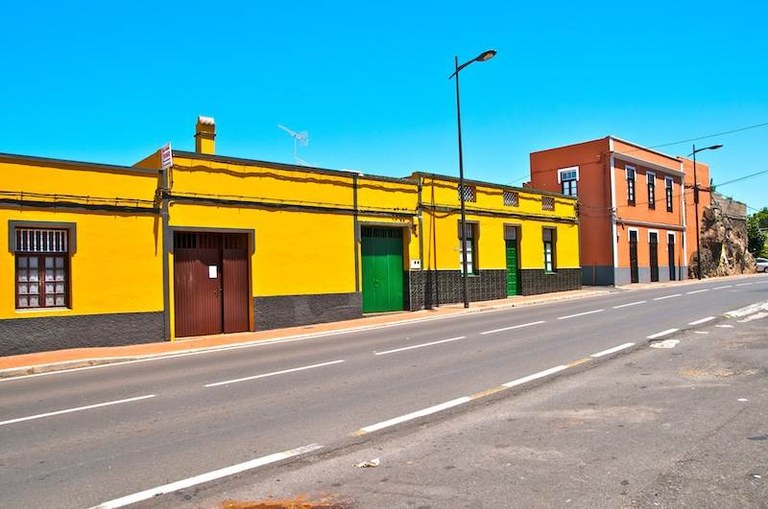
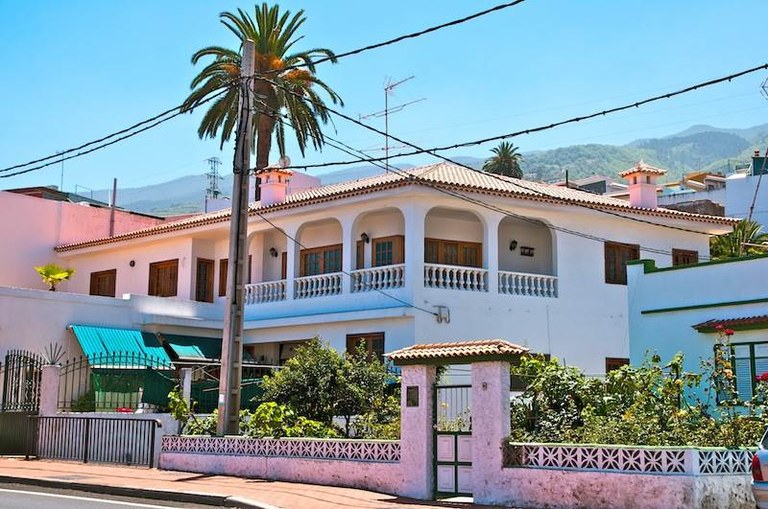
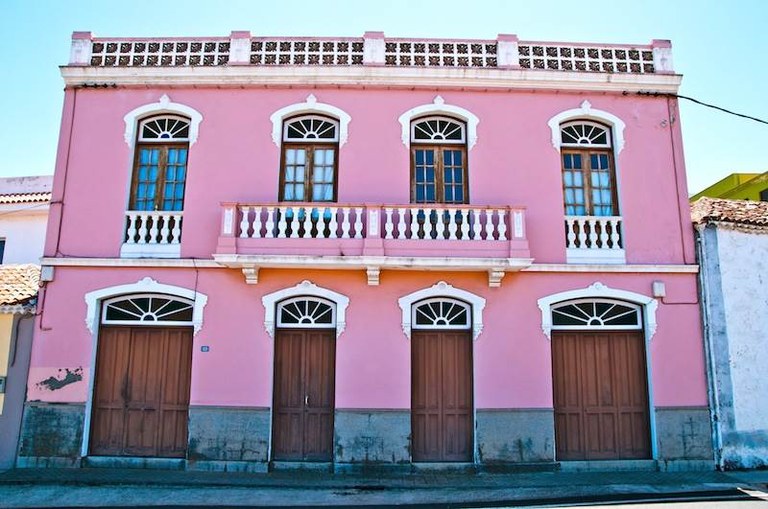
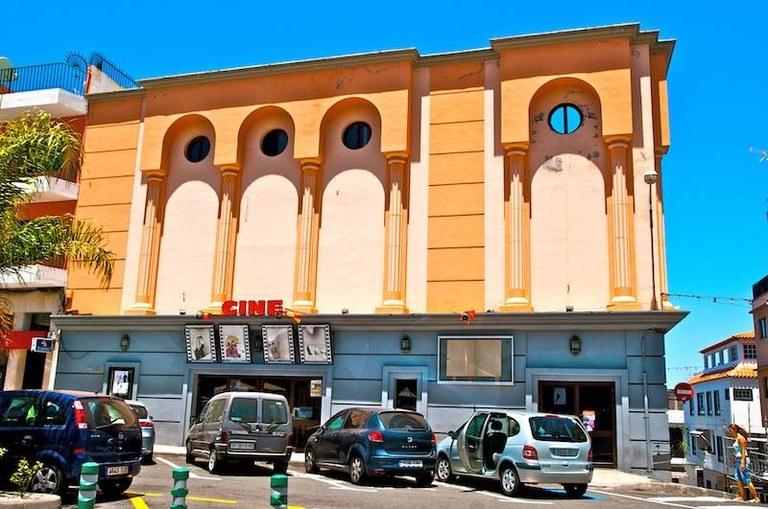
The pretty town of Santa Úrsula is a great base for exploring all the north of Tenerife has to offer. It is home to a charming church which was built in the 17th century which is surrounded by a square with a beautiful fountain. Palm and pine trees line the town, and Monarch butterflies can be seen fluttering about. Named after Saint Ursula, the area is located in the north of Tenerife 9km from Puerto de la Cruz. Along the main road through the town are shops, bars and restaurants and Santa Úrsula is the home of the Tenerife News newspaper.
The population of Santa Úrsula is around 13,500 people, many of whom work in Puerto de la Cruz or Santa Cruz. The coat of arms of Santa Úrsula depicts Saint Ursula who is the patron saint of the town with a Canary palm tree on each side of her. Santa Úrsula is a typical town in Tenerife North, worth visiting if you are in the area, and it has some wonderful views of Mount Teide on a clear day. The mountain can be seen easily from the main road.
Culture
Santa Úrsula is a typical small northern town in Tenerife with a Catholic culture. Three temples were built in Santa Úrsula in 1883-St Luis located in El Calvario, San Bartolomé in La Corujera and San Clemente in Malpaís.
Economy
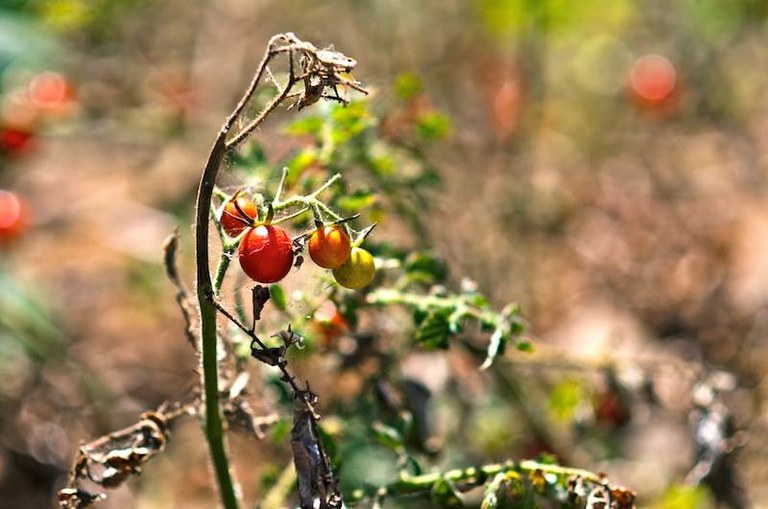
A large part of Santa Úrsula is made up of farmlands. These are now mostly urbanized, as is the population, with agriculture and tourism being the main industries. The area around Santa Úrsula is known for its agricultural produce. The municipal borough of Santa Úrsula covers a total area of 21 square kilometres extending from the mountains down to the rocky coast with the beaches of Charco Negro and Santa Ana.
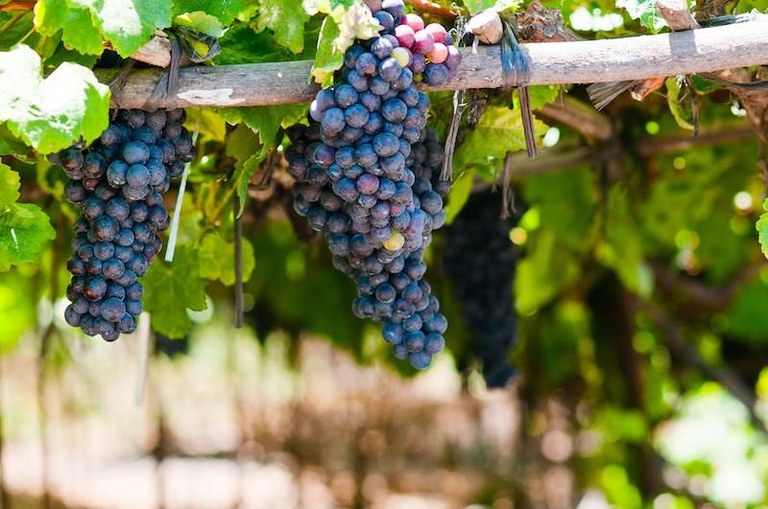
In the 1920s, banana plantations began to develop and galleries were opened to supply the water for the cultivation. The main basis of Santa Úrsula’s economy is the cultivation of fruits, potatoes and largely grapes. However, the services sector occupies the majority of the workforce with commerce and transport following closely behind.
How to get there
By Bus:
Santa Úrsula is linked by the TF-5 motorway. The number 62 TITSA bus runs from La Laguna toLa Orotava whilst the number 63 from Santa Cruz to La Orotava also runs through Santa Úrsula. However, this bus only runs twice a day. The number 101 from Santa Cruz to Puerto de la Cruz is the most regular of these. It is also possible to get the 107 from Santa Cruz to Buenavista and the 108 from Santa Cruz to Icod de los Vinos, and get off at the nearest stop on the TF5 motorway.
By Car:
Santa Úrsula is linked by the TF-5 motorway.