

- Hungary
- Ireland
- Italy
- Malta, Republic of
- Portugal
-
Spain
-
Canary Islands
- El Hierro
- La Palma
- La Gomera
- Tenerife
- Gran Canaria
- Lanzarote
- Fuerteventura
- Tarajalejo
- Caleta de Fuste
- Corralejo
- Costa Calma
- Las Palmas de Gran Canaria
- Lobos Island
- Maspalomas
- Caleta de Famara
- Morro Jable
- Costa Teguise
- Jandía
- San Cristóbal de La Laguna
- Playa Blanca
- Playa de las Americas
- Puerto Calero
- Teide National Park
- Playa del Inglés
- Puerto del Carmen
- Los Realejos
- Puerto de Mogán
- Las Galletas
- La Orotava
- Anaga
- San Agustín
- Adeje
- San Bartolomé de Tirajana
- Puerto de la Cruz
- Los Cristianos
- Arrecife
- El Médano
- Orzola
- Masca
- Taurito
- Los Gigantes
- Fañabé
- Santa Cruz de Tenerife
- Santiago del Teide
- Garachico
- Punta del Hidalgo
- La Caleta
- Balearic Islands
-
Barcelona
-
Benalmádena
-
Cádiz
-
Córdoba
-
Jerez de la Frontera
-
Lleida
-
Málaga
-
Santander
-
Seville
-
Toledo
-
Canary Islands
Overview of La Orotava
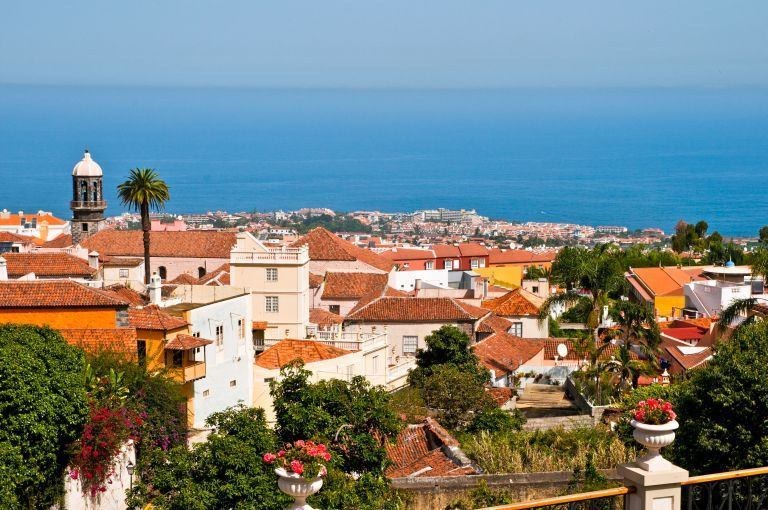
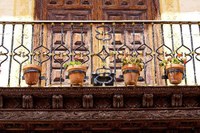
La Orotava is one of the few Canarian towns that has managed to preserve its historic and picturesque centre. The streets are lined with small plazas and impressive Castilian mansions with sweeping wooden balconies while lush, green parks are dotted throughout this idyllic colonial town.
Best explored on foot, La Orotava is situated in the magnificent valley of the same name and is cut deep into the hills of the island, giving visitors the chance to explore the many steep roads that make up the majority of the old town.
The La Orotava valley is a major cultivator of bananas, chestnuts and vineyards and provides excellent hiking opportunities with its winding maze of footpaths leading deep into the pine woods. Sweeping panoramic views of the costal plane that sits at the bottom of the valley help convey the surprisingly large, yet beautiful landscape of the island.
To visit the small town of La Orotava and delve into the old quarter really is like stepping back centuries in time. Experience first hand the beautiful artistry inside the churches and convents and exploring the well preserved aristocratic mansions with their wooden, galleon style balconies and grand hallways.
One of the most attractive towns on the island showcasing some of the Canaries best and most loved architecture, art and history, La Orotava is definitely worth a visit!
History
La Orotava, originally christened La Arautava in pre-Hispanic times, belonged to the ancient kingdom of Taoro, one of the most powerful in the of the Guanche kingdoms. After the Spanish conquest of the island in 1496 La Orotava, one of the richest and most fertile parts of the island, was distributed by the Crown to the conquerors and became the main seat of the island’s aristocracy.
Given the valleys ideal climate and fertile land, colonists in the area were able to cultivate a great variety of crops over the centuries. Sugar cane was popular throughout the 16th century before being replaced by vine stocks and two quality wines, Malvasia and Canary Sack. The wealth generated through the flourishing trade of these products reflected in the town with its rapid growth and o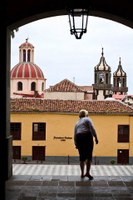 f grand buildings and convents and primarily the Iglesia de la Concepción (Church of the Immaculate Conception), one of the best examples of Baroque architecture in the Canaries.
During the 18th century, La Orotava’s wine trade disappeared due to restrictions placed on many businesses and joined the rest of the island in a period of economic recession. However, due to the town’s fortunes accrued throughout the years, La Orotava was able to continue enjoying a prosperous existence during this economically challenging time.
The cultivation of the banana helped lift the valley out of recession during the 19th century and became the sole agricultural export of La Orotava as well as being of significant benefit to the countryside, helping to expand its natural area and slowly increase its greenness. The wealth generated through the export of the banana saw La Orotava enter a more eclectic building period in the town with many impressive modernist and neo-gothic buildings appearing towards the end of the 19th century.
Steeped in history and tradition, La Orotava’s coat of arms still to this day bares the message Villa Muy Noble y Leal (A Most Noble and Loyal Town).
Culture
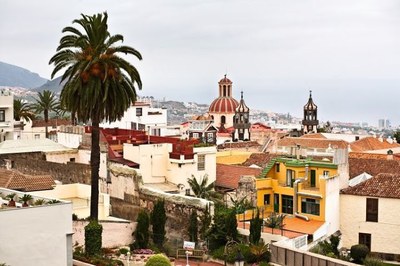
The culture that surrounds La Orotava is essentially laid back and relaxed with an heir of dignity that resonates throughout the newly built areas of the town through to the quieter and sedate old quarter. The town celebrates the traditions of both the past and the present and is one of the top cultural places to visit on the island. A walk around La Orotava will provide a showcase of both typical Canarian architecture contrasting against the stunning Baroque and Gothic inspired buildings that formed later in the towns history.
The grand churches and large noble homes that make up the area provide a sense of elegance and a reminder that religion is still firmly embedded in La Orotava’s values and day to day life. The historical centre has been perfectly preserved over the years and has been declared of National Historical and Artistic Interest.
The well established artisan traditions of the town are still fondly ever-present, making La Orotava an excellent place to shop for traditional Canarian souvenirs and trinkets including hand made wood work, leather goods, ceramics and lace.
Wine also plays a significant role in the culture and community of the area as the Valle de la Orotava (Orotava Valley) is one of Tenerife’s five wine producing regions and bares an all important Mark of Origin. The Verdant Valley provides a wealth of fruit including the grape and the locals like nothing more than to enjoy a glass of locally produced wine in one of the towns many picturesque plazas.
Economy
La Orotava is the town with the most surface area on the island as it houses the majority of the expansive Teide National Park, considered one of Spain’s most unique natural areas.
The main economic activity in La Oratova is agriculture and specialises in three main crops; bananas, vine yards and potatoes and employs a fifth of its active population to work within this thriving industry.
The rest of La Orotava’s economic activities are centred on tourism, commerce and construction.
How to get there
By Bus:
You can catch bus 101, 345, 348, 350 or the 352 bus from Puerto de la Cruz, or the 101 or 107 from Santa Cruz. There aren’t many car parks around, therefore public transport would appear to be the cheaper and least stressful way of travelling.
By Car:
La Orotava is linked with the TF-5 motorway and the old highway linking Icod de los Vinos and the capital, Santa Cruz de Tenerife.