
- Hungary
- Ireland
- Italy
- Malta, Republic of
- Portugal
-
Spain
-
Canary Islands
- El Hierro
- La Palma
- La Gomera
- Tenerife
- Gran Canaria
- Lanzarote
- Fuerteventura
- Tarajalejo
- Caleta de Fuste
- Corralejo
- Costa Calma
- Las Palmas de Gran Canaria
- Lobos Island
- Maspalomas
- Caleta de Famara
- Morro Jable
- Costa Teguise
- Jandía
- San Cristóbal de La Laguna
- Playa Blanca
- Playa de las Americas
- Puerto Calero
- Teide National Park
- Playa del Inglés
- Puerto del Carmen
- Los Realejos
- Puerto de Mogán
- Las Galletas
- La Orotava
- Anaga
- San Agustín
- Adeje
- San Bartolomé de Tirajana
- Puerto de la Cruz
- Los Cristianos
- Arrecife
- El Médano
- Orzola
- Masca
- Taurito
- Los Gigantes
- Fañabé
- Santa Cruz de Tenerife
- Santiago del Teide
- Garachico
- Punta del Hidalgo
- La Caleta
- Balearic Islands
-
Barcelona
-
Benalmádena
-
Cádiz
-
Córdoba
-
Jerez de la Frontera
-
Lleida
-
Málaga
-
Santander
-
Seville
-
Toledo
-
Canary Islands
Highlights of La Palma
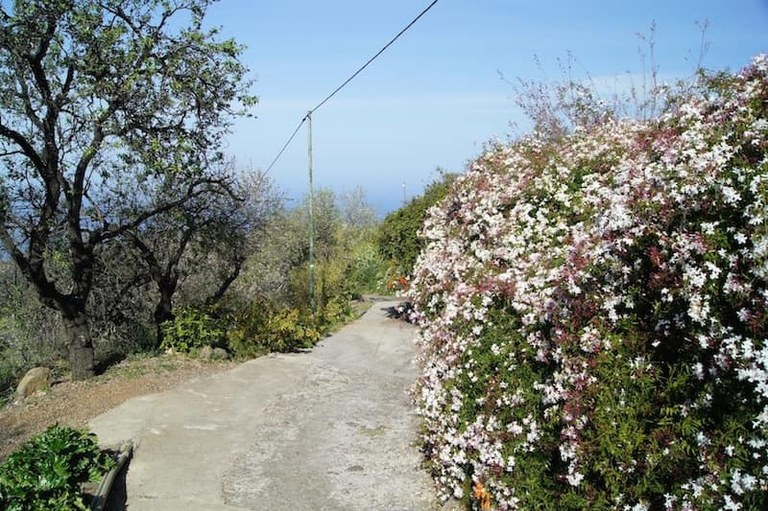
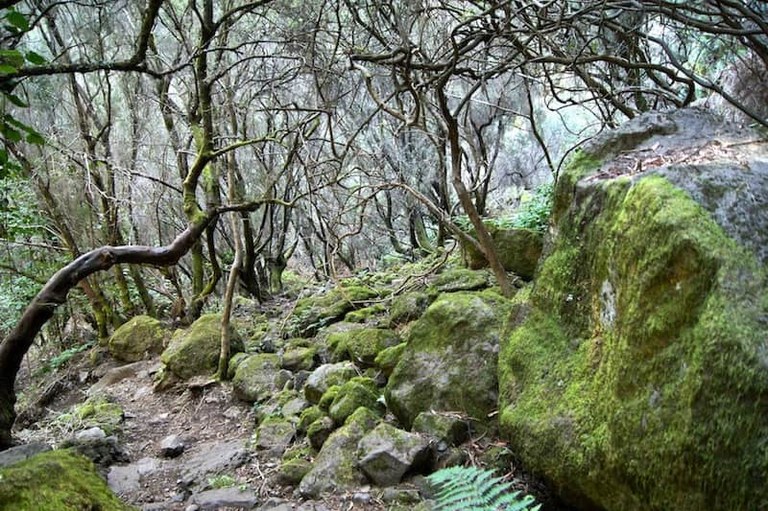
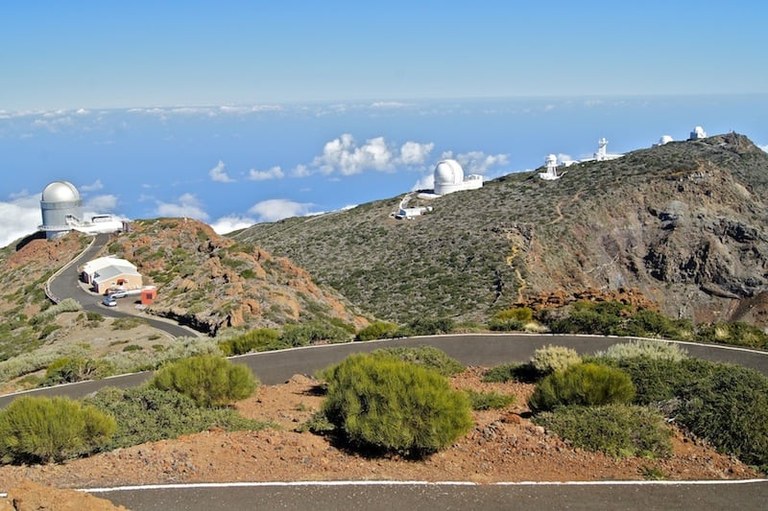
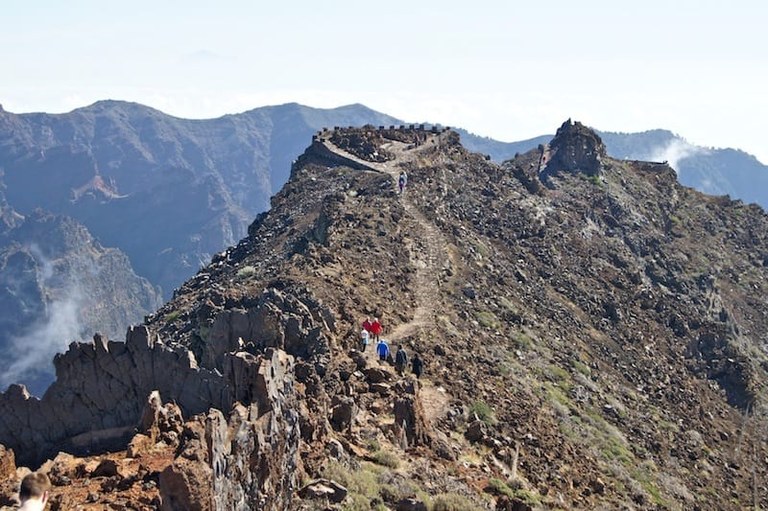
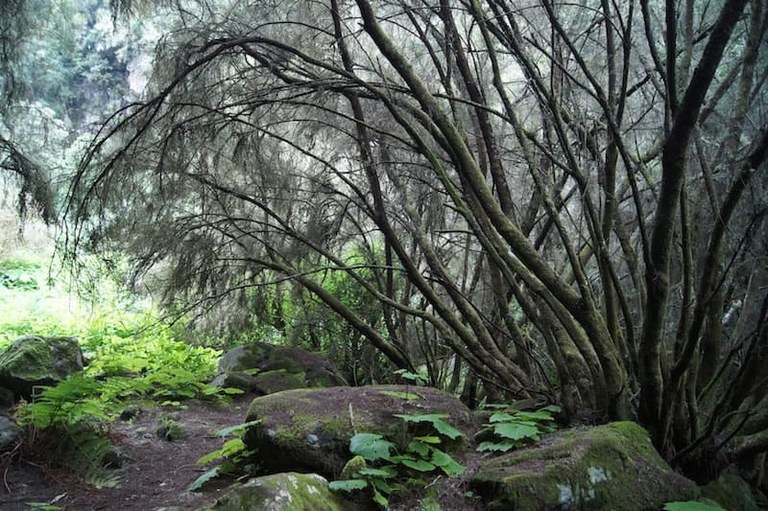
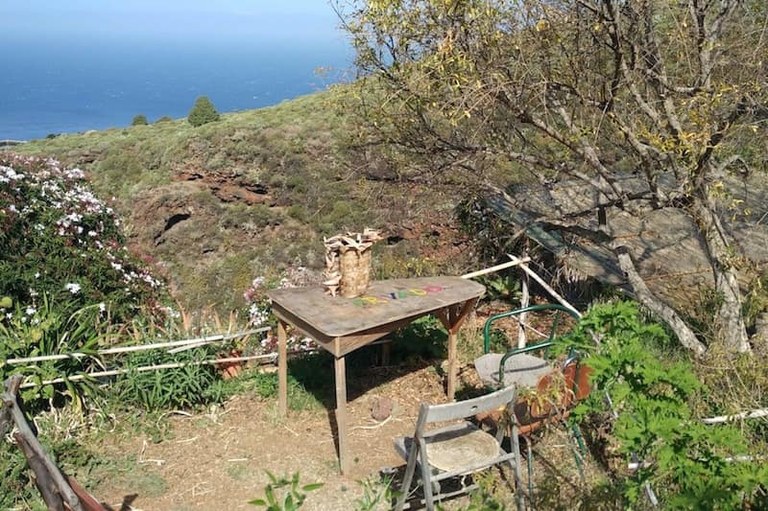
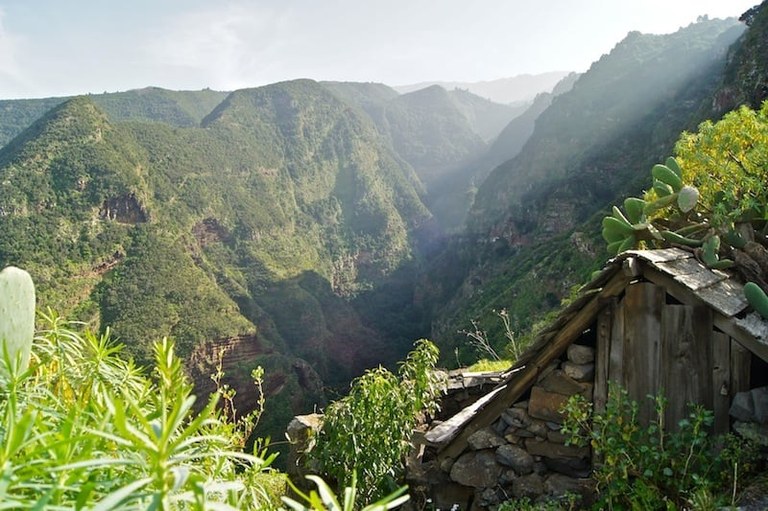
La Palma is nicknamed 'the Isla Bonita' due to its kilometres of lush vegetation and indigenous plant life. The most north-westerly and the fifth largest of the Canary Islands, the 706km2 comprising the volcanic landmass rises from dramatic cliff faces onto fields of banana plantations and finally tapering off at its 2,423-metre tower, Roque de los Muchachos ('Rock of the Boys' in the pre-Hispanic language).
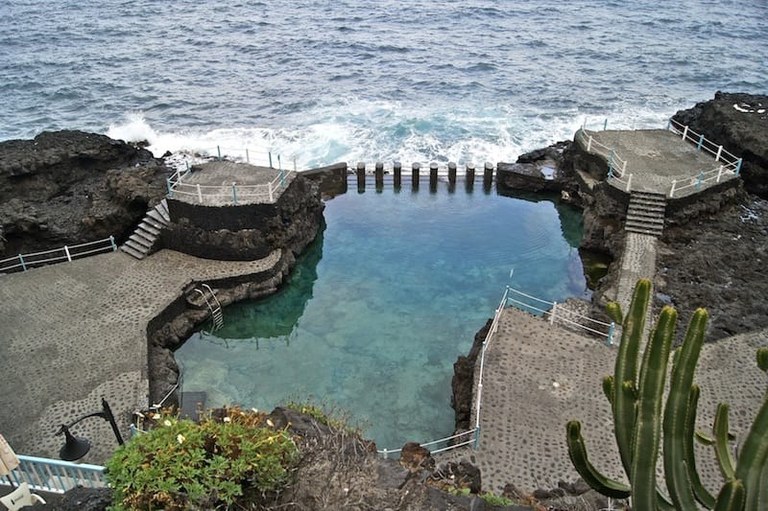
For the newcomer, La Palma certainly isn't your typical tourist attraction. From walking and cycling to the more extreme end of the scale in paragliding, pot-holing and caving, the outdoors reigns supreme on this island - both for visitors and residents. Densely-populated seaside towns, pulsating nightclubs and English-themed bars this is not.
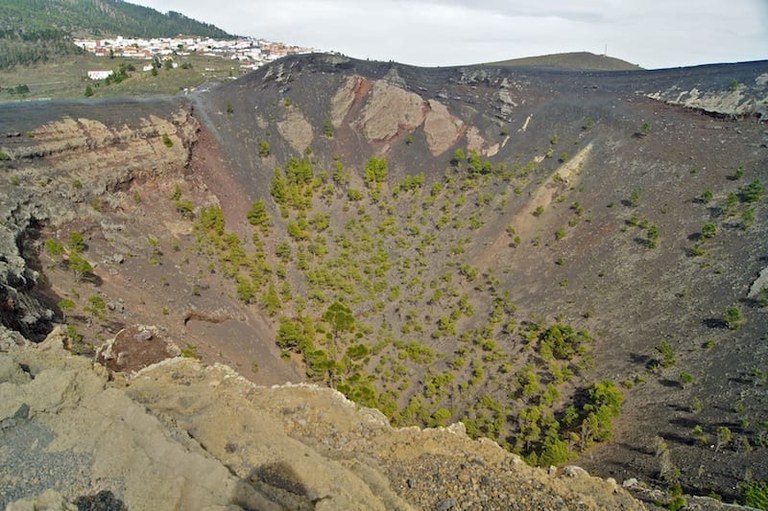
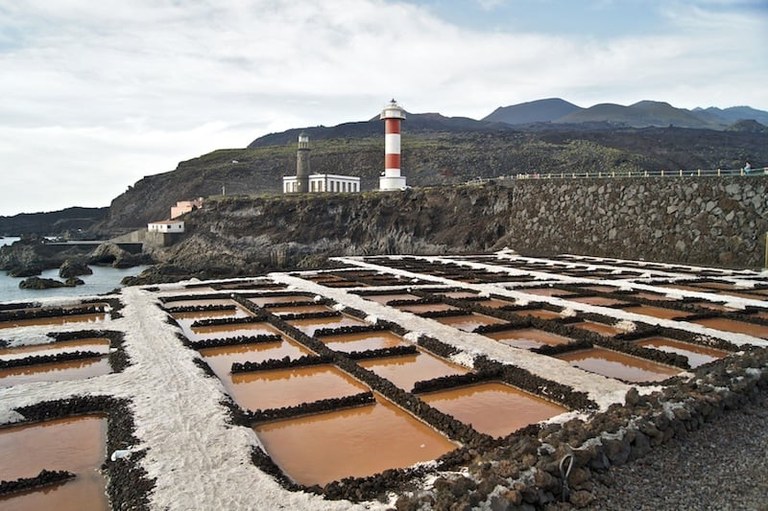
Like its Canarian cousins, a volcanic eruption triggered La Palma's birth some 2 million years ago - a feat which makes it one of the babies of the archipelago. Rocky remains of eruptions taking place in many different periods can be seen in abundance. On top of most of the middle, plant life has flourished; indeed, the island's flora is the most diverse of the Canaries.
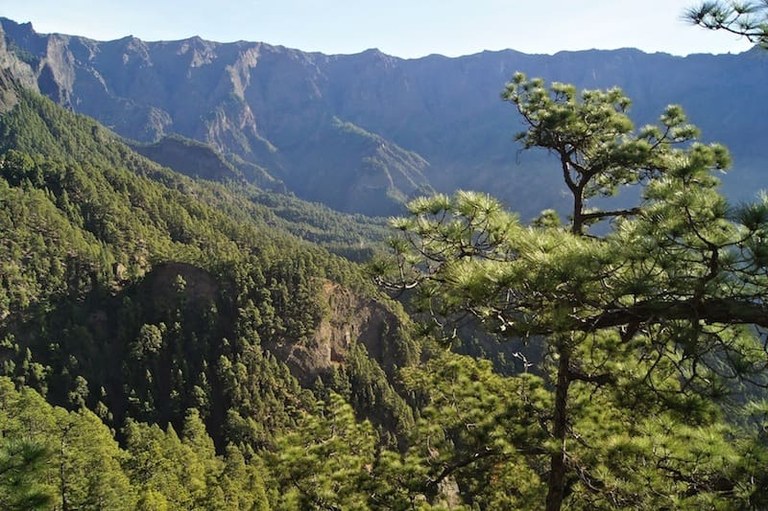
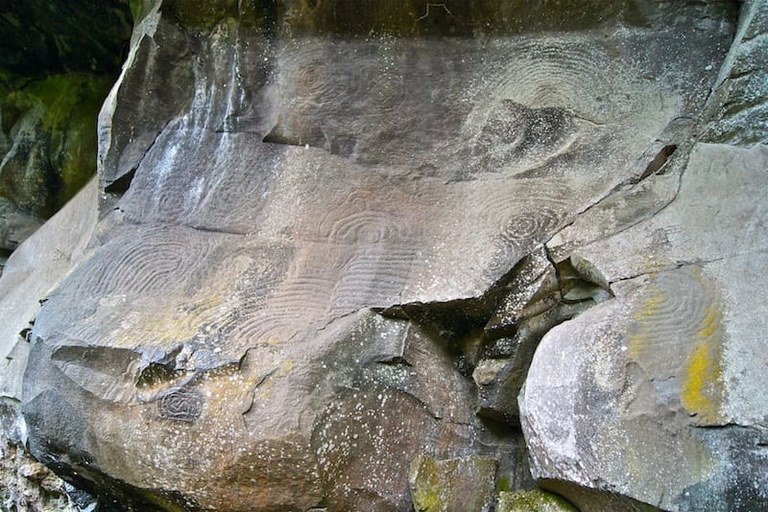
In the north, the landscape is dominated by La Caldera de Taburiente, a mountainous arc with a vast depression - once believed to have been a volcanic crater - at its centre. The stunning UNESCO Biosphere Reserve of Parque Nacional de la Caldera de Taburiente is a lost world of animals and plants, springs and rivers, pine forests and craggy rocks. 4,699 hectares and tens of kilometres of hiking trails now attract walkers and campers to roam an environment which housed the last groups of aboriginal Benahoare people prior to the Spanish conquest in the 15th century. Indeed, rock inscriptions from this primitive tribe can still be found.
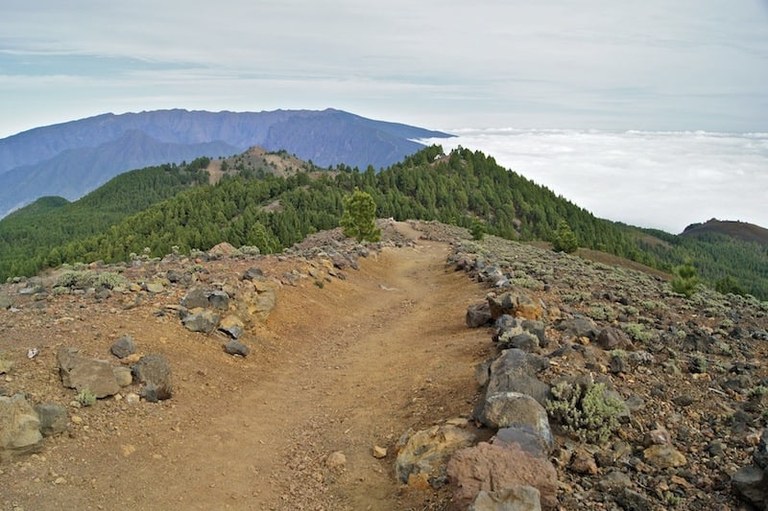
Volcanic elements exist elsewhere in the shape of Cumbre Vieja, an active but dormant volcano which last erupted in 1971. It's a peak on the Cumbre Nueva ridge which divides the island in two from north to south. This too has some fascinating and challenging hiking routes.
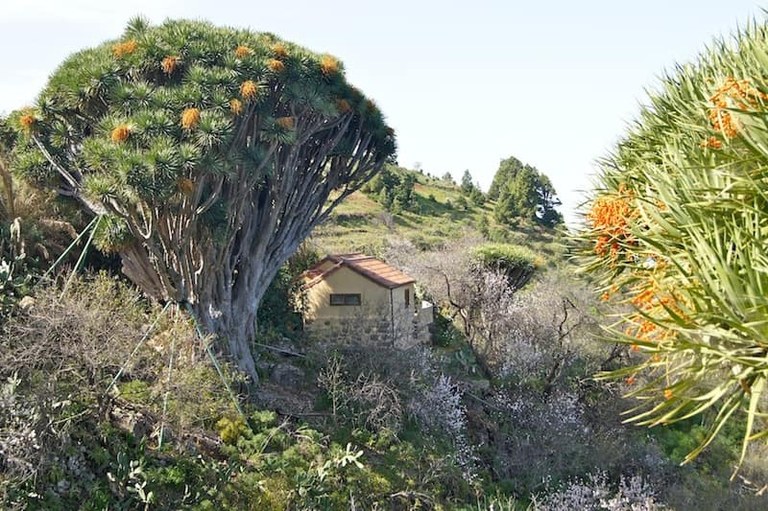
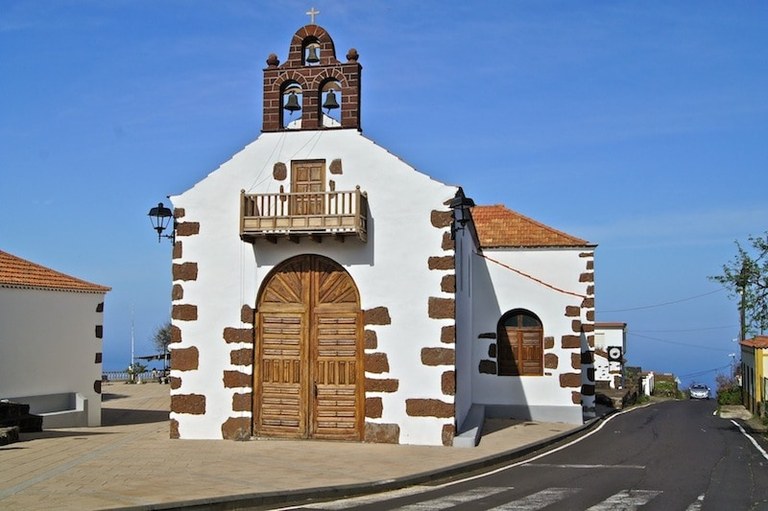
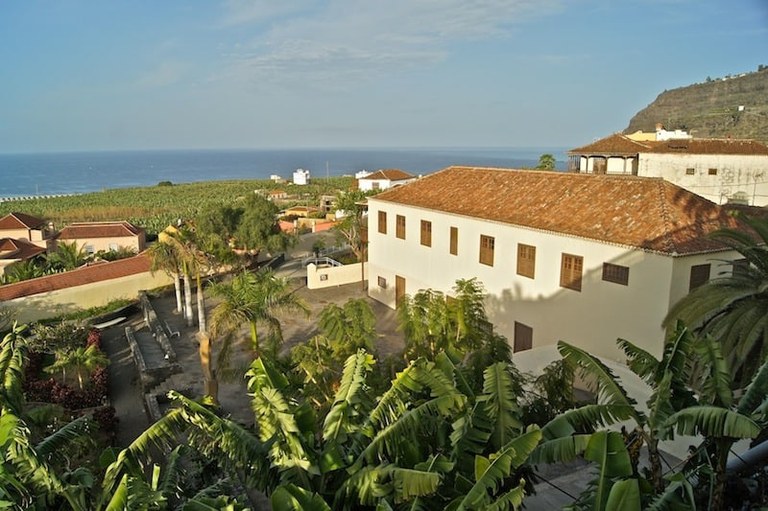
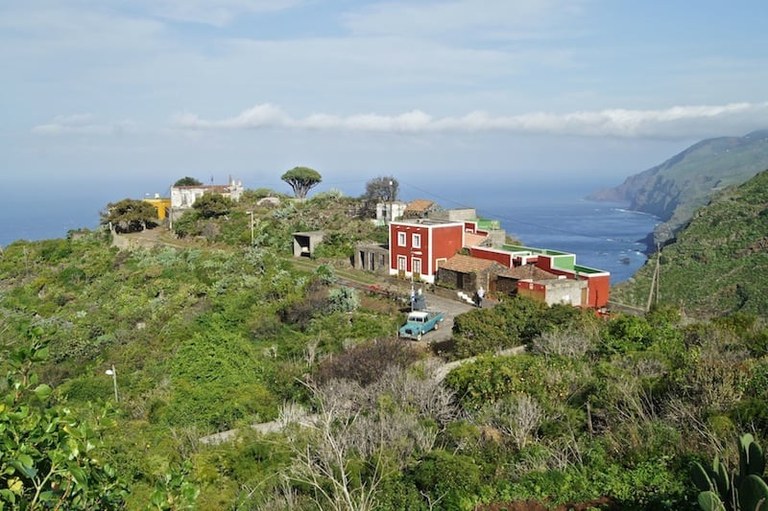
Amidst the wealth of nature some 80,000 people live, lots in classic coloured and blocked Canarian houses. In the towns and villages you can find beautiful carved wooden balconies and ancient Catholic churches; the villages and the rural land is dotted by vineyards and banana plantation, the latter the islands biggest export and one of its main employers.