

- Hungary
- Ireland
- Italy
- Malta, Republic of
- Portugal
-
Spain
-
Canary Islands
- El Hierro
- La Palma
- La Gomera
- Tenerife
- Gran Canaria
- Lanzarote
- Fuerteventura
- Tarajalejo
- Caleta de Fuste
- Corralejo
- Costa Calma
- Las Palmas de Gran Canaria
- Lobos Island
- Maspalomas
- Caleta de Famara
- Morro Jable
- Costa Teguise
- Jandía
- San Cristóbal de La Laguna
- Playa Blanca
- Playa de las Americas
- Puerto Calero
- Teide National Park
- Playa del Inglés
- Puerto del Carmen
- Los Realejos
- Puerto de Mogán
- Las Galletas
- La Orotava
- Anaga
- San Agustín
- Adeje
- San Bartolomé de Tirajana
- Puerto de la Cruz
- Los Cristianos
- Arrecife
- El Médano
- Orzola
- Masca
- Taurito
- Los Gigantes
- Fañabé
- Santa Cruz de Tenerife
- Santiago del Teide
- Garachico
- Punta del Hidalgo
- La Caleta
- Balearic Islands
-
Barcelona
-
Benalmádena
-
Cádiz
-
Córdoba
-
Jerez de la Frontera
-
Lleida
-
Málaga
-
Santander
-
Seville
-
Toledo
-
Canary Islands
Telde
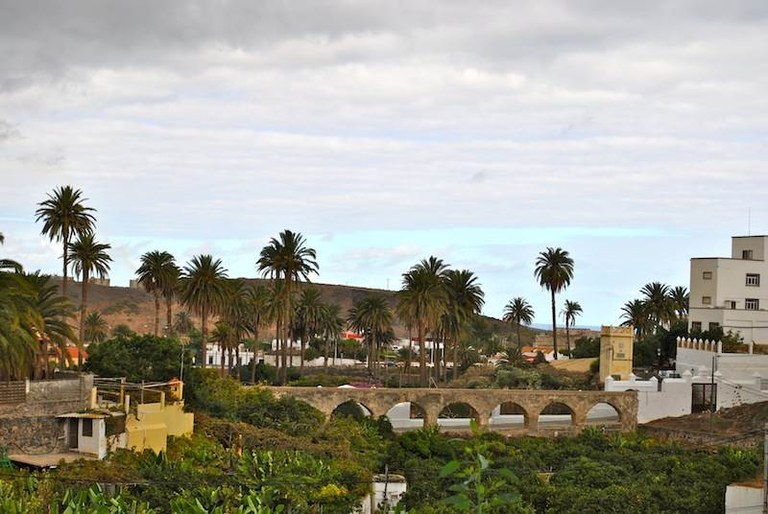
Overview
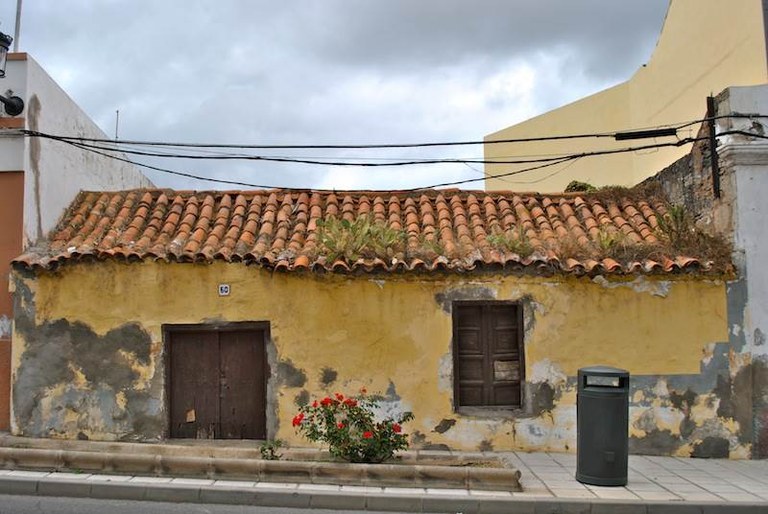
Upon reaching the periphery of Gran Canaria’s second city, your first impression probably won’t be a favourable one. Coated by a stratum of uninspiring industrial outlets, Telde, at first glance, appears to be a rather drab affair.
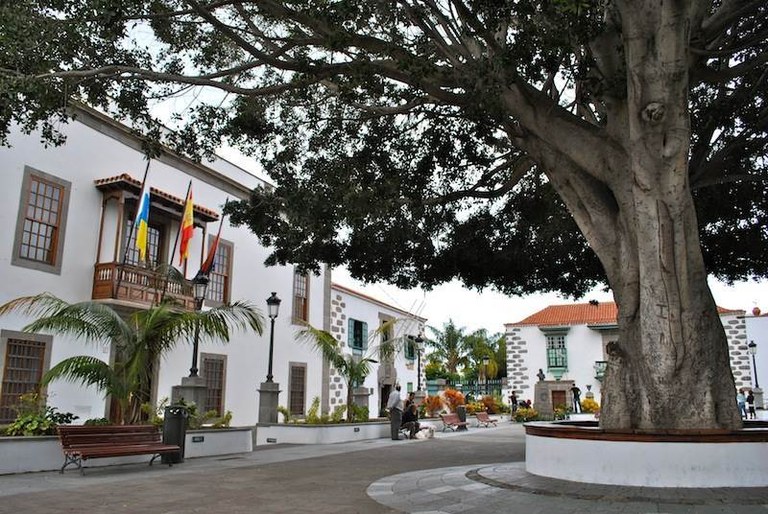
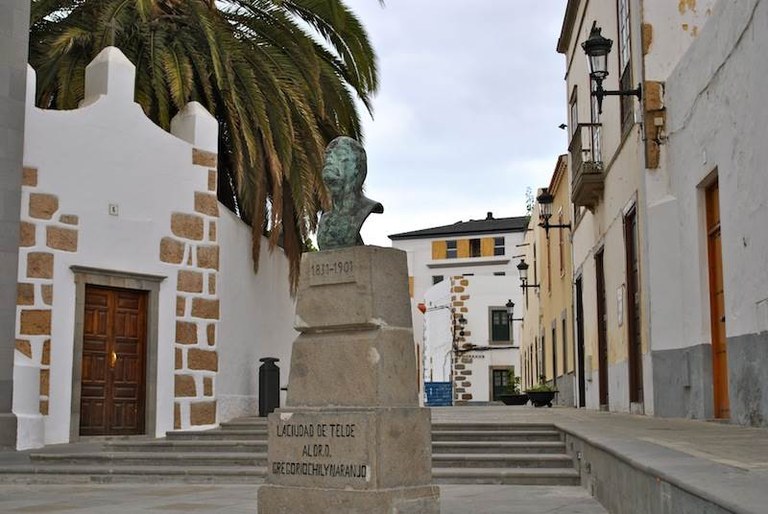
However, if you choose to delve a little deeper towards the nucleus of its historic centre, you will be rewarded by cobbled streets, gardens pervaded by lush geraniums, grand old houses and a magnificent church that dates back to the 15th century.
Telde's close proximity to the blue flag beach of Melenara also makes it a good location for sun seekers, whilst the town has an adequate smattering of restaurants and bars for those planning to make a night of it.
History
Prior to the Spanish conquest, Telde was the principal settlement in the east of the island and home to a significant number of Doramas dwellings.
The town was officially founded by papal decree in 1351 by a group of monks from Mallorca, seeking to set up a Bishopric in the Fortunate Isles.
Not long after the conquest, a social divide began to emerge between the conquistadors, that based themselves within the opulent surroundings of the San Juan district of the town, and the local peasants who worked on the numerous sugar plantations in the area.
Even up until the late 1970s, much of Telde was still subjected to poverty with official figures at the time suggesting that only 20% of its population had access to mains electricity whilst, shockingly, 15% of children attended school. Thankfully, this has changed considerably over the last 30 years due to the concentrated efforts of municipal authorities and a burgeoning commercial economy.
Culture
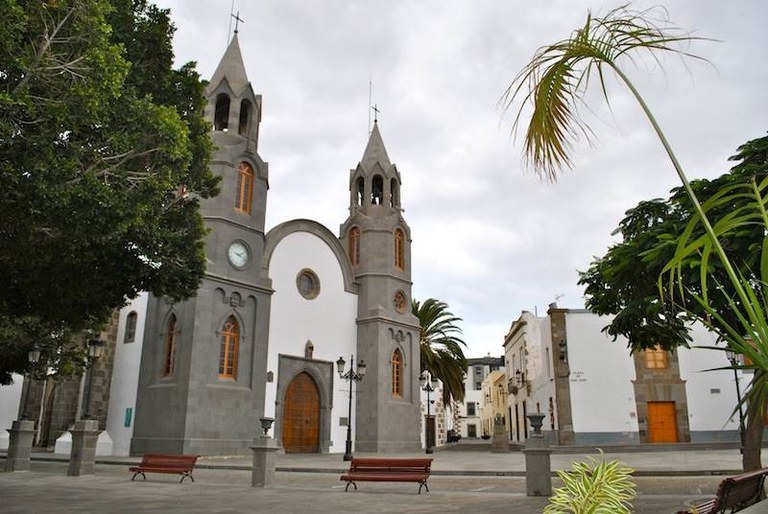
Like many Hispanic towns, Telde is deeply Catholic with the churches of San Juan and San Francisco (see Sights) often packed to the rafters come Mass. This devoutness is also evident in the religious fiestas and events hosted throughout the year (see Fiestas and Events).
Economy
Due to being situated in the Gran Canaria's most fertile area, for many centuries Telde’s economy was driven by agriculture, its main produce comprising of sugar, bananas and tomatoes.
However, since the 1980s, mass real estate and more commercial industries have driven the Telde's wealth- seemingly with little empathy for its surrounding area, which is now punctuated by a number of unprepossessing factories and warehouses.
How to get there
By Bus:
Buses 12 and 80 run frequently to/from Las Palmas de Gran Canaria (every 30 minutes). Journeys take 20 minutes.
There are also a number of services to the neighbouring towns of Ingenio and Agüimes. For more information on bus schedules, visit www.globalsu.net.
By Car:
If driving from Las Palmas de Gran Canaria, take the GC-1 out of town which runs directly along the coast to Telde.
Sights
If you choose to look beyond Telde's gloomy exterior, you will be pleasantly surprised by the town’s cobblestoned historic centre which constitutes two distinct quarters- the adjacent barrios of San Juan and San Francisco.
Iglesia de San Juan Bautista
Situated in the heart of the San Juan barrio’s resplendent whitewashed colonial buildings, this 15th century church is notable for its interior which contains a gilt altarpiece, supporting a statue of Christ constructed from corn dough by Tarasco Mexican Indians.
Where: Plaza San Juan, s/n, 35200 Telde, Gran Canaria.
Telephone: +34 928 690 285
Iglesia de San Francisco
A short walk from Plaza San Juan, amongst the lush gardens and orange and banana groves of the San Francisco barrio, sits another comely church which houses three polychrome altars and an ornate coffered ceiling.
Parroquia de San Gregorio de Telde
Situated in the San Gregorio district of town, home to several businesses and craft shops, this church includes neoclassical altarpieces and a carving of the Virgen de los Dolores (Our Lady of Sorrows).
Where: Calle Calderín López 17, 35200 Telde, Gran Canaria.
Telephone: +34 928 690 202
Tourist information office
If seeking any further information, the town has a tourist office, situated just off Plaza de San Juan.
Where: Calle León y Castillo 2, 35200 Telde, Gran Canaria.
Opening hours: Monday- Friday 08:00 - 15:00
Museums
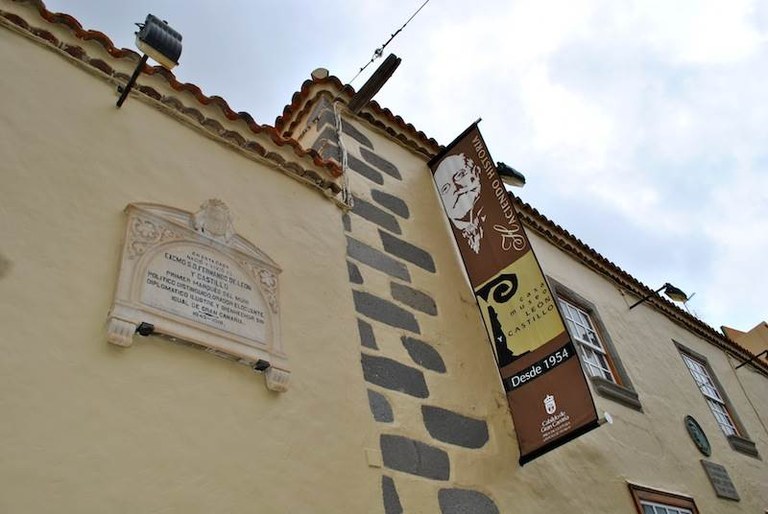
Museo León y Castillo
Perhaps a little too esoteric for some, this museum is devoted to the town’s most famous inhabitant, Fernando León y Castillo, the 19th century politician and diplomat. The building, Castillo’s former home, is absolutely lovely and well worth the visit, even if Spanish politics may not be your thing.
Where: Calle León y Castillo 43, 35200 Telde, Gran Canaria.
Opening hours: Monday to Friday 08:00 - 14:00
Admission: Free
Beaches
Playa de Melenara
Located a short three kilometres from the town centre, Melenara is a blue-flag beach consisting of fine white sands. If seeking a spot of sunbathing in peace, it’s the perfect place as the stretch is rarely busy.
The calm seas also make for favourable swimming conditions- make sure to look out for the sculpture of King Neptune that stands proudly amidst the waves. If you fancy a bite to eat, the adjacent promenade has a host of cafes and bars.
You can reach the beach by taking the GC-102 road out of town.
Other Beaches
Amongst the other contenders for the municipality’s finest stretches, Gando beach has a lovely sandy bay and holds historical pertinence as purportedly being Gran Canaria’s first port.
Just north of Gando beach, you will also find the beaches of Salinetas and Tufia which remain popular with bathers and also offer a range of bars and restaurants along their seafronts.
You can reach the beach by taking the GC-102 road out of town.
Festivals
Here are some other significant fiestas that take place throughout the year:
July - Festival in honour of Nuestra Señora del Carmen
August - Festival of Traída de Agua
September - Bajada del Santísimo Cristo
October - Festival in honour of San Francisco de Asís
November - Festival in honour of San Gregorio Tramaturgo
Festival of Traída de Agua
Literally meaning ‘water fetching’- dating back to the desperate days when islanders would scour for water to subsist their crops- this popular event is simply one huge street water fight. Taking place in nearby Lomo Magullo in August, make sure to stock up on water balloons beforehand!
Restaurants
La Panacota
A carnivorous heaven, this steakhouse serves the best rump in town and is complemented by excellent and attentive staff. Make sure you have a large appetite before visiting as the T-bone steaks are often bigger than your plate. Meals, including a drink, usually amount to €15-20 per head.
Where: Calle Deán Pedro Jiménez 6, 35200 Telde, Gran Canaria.
Telephone: +34 928 692 123
Ristorante La Pizza
Aside from serving authentic thin-crust Italian pizzas, you can also choose from a broad selection of fish, pasta and salad dishes, topped off by tasty homemade desserts. With its cosy decor, the restaurant is the perfect place for a romantic vis-a-vis meal.
Where: Avenida del Cabildo Insular 66, 35200 Telde, Gran Canaria.
Telephone: +34 928 682 834
Opening hours: Closed on Tuesdays
Nightlife
Although nowhere near as raucous as a night out in Las Palmas de Gran Canaria, Telde has a few lively bars and nightclubs and can become quite animated on a Friday night.
La Alameda
A noted nightspot amongst locals, this rather plush bar/club is found in the heart of the San Juan neighbourhood. A converted 17th century building, it has been tastefully restored mixing the aestheticism of its ancient stone walls and earthenware floors with modern art deco and wrought iron furniture. Especially popular on Fridays, it’s a pleasant venue for a drink and a jive.
Where: 12 Plaza de San Juan, 35210 Telde, Gran Canaria.