

- Hungary
- Ireland
- Italy
- Malta, Republic of
- Portugal
-
Spain
-
Canary Islands
- El Hierro
- La Palma
- La Gomera
- Tenerife
- Gran Canaria
- Lanzarote
- Fuerteventura
- Tarajalejo
- Caleta de Fuste
- Corralejo
- Costa Calma
- Las Palmas de Gran Canaria
- Lobos Island
- Maspalomas
- Caleta de Famara
- Morro Jable
- Costa Teguise
- Jandía
- San Cristóbal de La Laguna
- Playa Blanca
- Playa de las Americas
- Puerto Calero
- Teide National Park
- Playa del Inglés
- Puerto del Carmen
- Los Realejos
- Puerto de Mogán
- Las Galletas
- La Orotava
- Anaga
- San Agustín
- Adeje
- San Bartolomé de Tirajana
- Puerto de la Cruz
- Los Cristianos
- Arrecife
- El Médano
- Orzola
- Masca
- Taurito
- Los Gigantes
- Fañabé
- Santa Cruz de Tenerife
- Santiago del Teide
- Garachico
- Punta del Hidalgo
- La Caleta
- Balearic Islands
-
Barcelona
-
Benalmádena
-
Cádiz
-
Córdoba
-
Jerez de la Frontera
-
Lleida
-
Málaga
-
Santander
-
Seville
-
Toledo
-
Canary Islands
Overview of Las Palmas de Gran Canaria
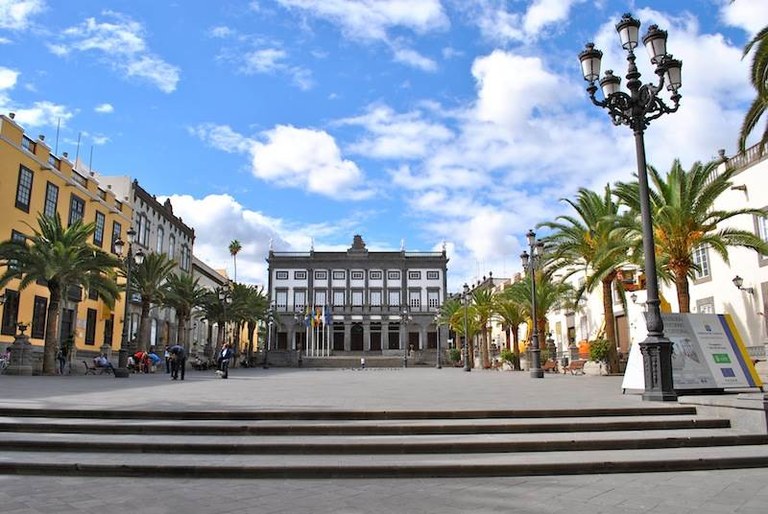
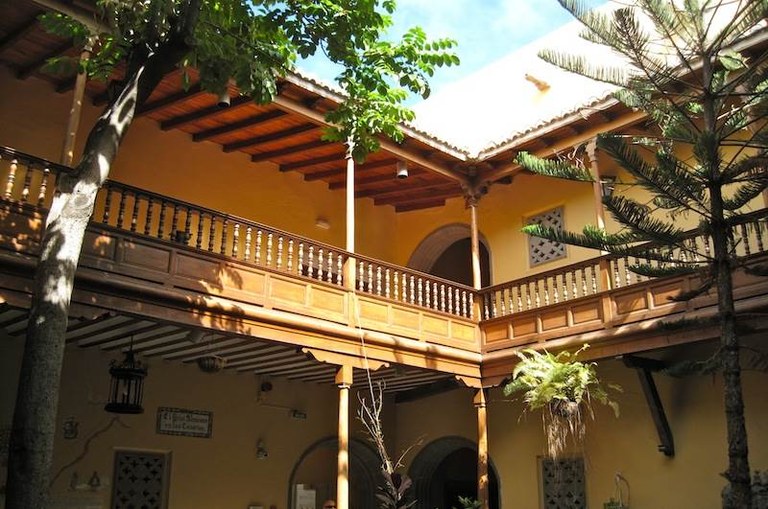
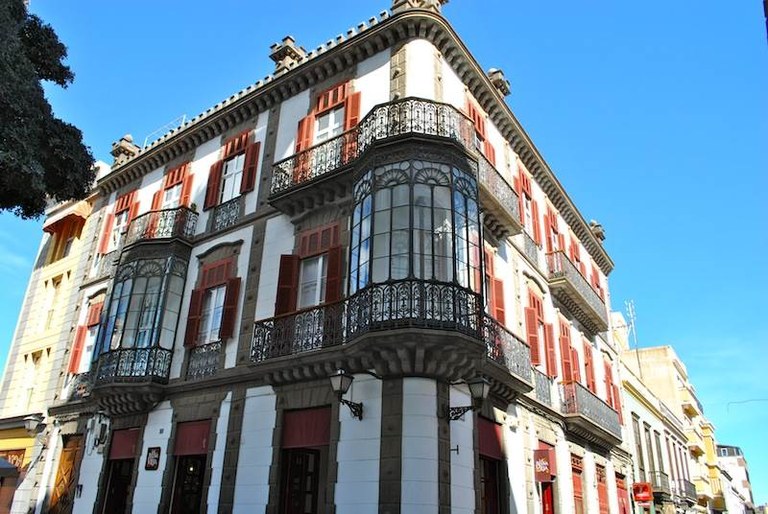
Las Palmas de Gran Canaria is the political capital Gran Canaria, Fuerteventura and Lanzarote. Sharing equal provincial status as Santa Cruz de Tenerife, this city is bigger in terms of population and size. The city has a metropolitan energy and vibrancy more commonly associated with mainland Spain than that of the typical, languid Canarian town. As Spain’s ninth largest city, there are plenty of historical and architectural sights, including the imposing Cathedral de Santa Ana dating back to the 15th century and several museums which can be found in the Vegueta (Unesco World Heritage site) and Triana districts.
Nature lovers and golf enthusiasts will be pleased to find one of Spain’s largest botanical gardens and oldest Golf Club just outside the city. Surfing and diving can also be done at the Las Canteras beach.
Las Palmas is a heady melting pot of lively shopping streets, hip bars and great restaurants serving anything from tapas to authentic Indian cuisine, whilst the area around Santa Catalina Beach is the place to be seen if planning to make a night of it.
History
The Castillian army came over to the Canary Islands hell-bent on claiming them as their own and Gran Canaria was no exception. So headstrong was Juan Rejón, the man in charge of the invading army, that he even named a city on this island, before commencing in any conflict with the local inhabitant Canarií.
The name given to this enticing city was none other than ‘Real de las Palmas’, on June 24th, 1478 and although a couple of prefixes have been dropped, the name remains largely similar to this day.
Rumour has it that in 1492, the renowned adventurer Christopher Columbus, during his trip to the Americas, stopped by the city of Las Palmas for repairs. Rumours suggest he liked it so much, he returned to the city on his way home.
In 1595, Englishman Sir Francis Drake attempted to conquer Gran Canaria by attacking the port of Las Palmas. His attack was unsuccessful.
Las Palmas was declared the second capital city of the Canary Islands in 1927, coupling it with the city of Santa Cruz in Tenerife.
Culture
Las Palmas is a bustling capital city and home to approximately 380,000 people from different cultures and backgrounds. There are Spaniards, Africans, Brits, Portuguese, Germans, Cubans, Venezuelans, Chinese and Indians, making the city a culture melting pot that radiates a different feel to that of other Canarian cities.
As a capital city, things here run at a slightly faster pace too. In smaller towns people are generally more laid back, but over here there is a certain urge to rush around. And it’s not difficult to see why considering it also a working city.
Economy
Tourism is important for the economy of Las Palmas. The historical, architectural and natural attractions are the main drivers for the considerable number of hotels in the city, alongside several large scale attractions in this part of the island, presumably designed to attract tourists from all over the globe. Real Club de Golf de Las Palmas, is a prime example of one of these attractions and generates a notable amount of revenue for Las Palmas.
Tourism aside, Las Palmas has long established itself as the working city with a thriving port. The port Puerto de la Luz, is vital for Las Palmasâ commercial, passenger, and fishing sectors. Serving sea traffics between Europe, Africa and America, its geographical advantage make it one of the main ports in Spain.
How to get there
By Bus:
Las Palmas is the hub and heart of Gran Canaria, you will have no problem catching a bus there from other towns.
From the airport Global bus number 60 leaves for Las Palmas twice hourly, with a slight break from 02:30 until 06:15. This service takes you to both San Telmo and Santa Catalina areas of Las Palmas.
If traveling from the south, Global Bus number 1 (from Puerto de Mogán) and bus number 30 (from Maspalomas) leaves 3 times every hour between 07:00 and and 19:50 for Las Palmas (less frequent during off peak and weekends).
Within Las Palmas, there are plenty of yellow Guagua Municipal buses circulating the general area. These buses are reasonably priced and frequent. For those looking to gain a bit of information on their travels, there are also ‘hop on an off’ tourist buses readily available in the area. These buses run from 09:30 until 17:45 and they travel to a various point of tourist interests.
By Car:
Las Palmas is conveniently linked with cities on the north via motorway GC-2. Traveling from Agaete for example, takes about 40 minutes. From the major holiday resorts in the south, the fastest route is motorway GC-1.