

- Hungary
- Ireland
- Italy
- Malta, Republic of
- Portugal
-
Spain
-
Canary Islands
- El Hierro
- La Palma
- La Gomera
- Tenerife
- Gran Canaria
- Lanzarote
- Fuerteventura
- Tarajalejo
- Caleta de Fuste
- Corralejo
- Costa Calma
- Las Palmas de Gran Canaria
- Lobos Island
- Maspalomas
- Caleta de Famara
- Morro Jable
- Costa Teguise
- Jandía
- San Cristóbal de La Laguna
- Playa Blanca
- Playa de las Americas
- Puerto Calero
- Teide National Park
- Playa del Inglés
- Puerto del Carmen
- Los Realejos
- Puerto de Mogán
- Las Galletas
- La Orotava
- Anaga
- San Agustín
- Adeje
- San Bartolomé de Tirajana
- Puerto de la Cruz
- Los Cristianos
- Arrecife
- El Médano
- Orzola
- Masca
- Taurito
- Los Gigantes
- Fañabé
- Santa Cruz de Tenerife
- Santiago del Teide
- Garachico
- Punta del Hidalgo
- La Caleta
- Balearic Islands
-
Barcelona
-
Benalmádena
-
Cádiz
-
Córdoba
-
Jerez de la Frontera
-
Lleida
-
Málaga
-
Santander
-
Seville
-
Toledo
-
Canary Islands
Pájara
Overview
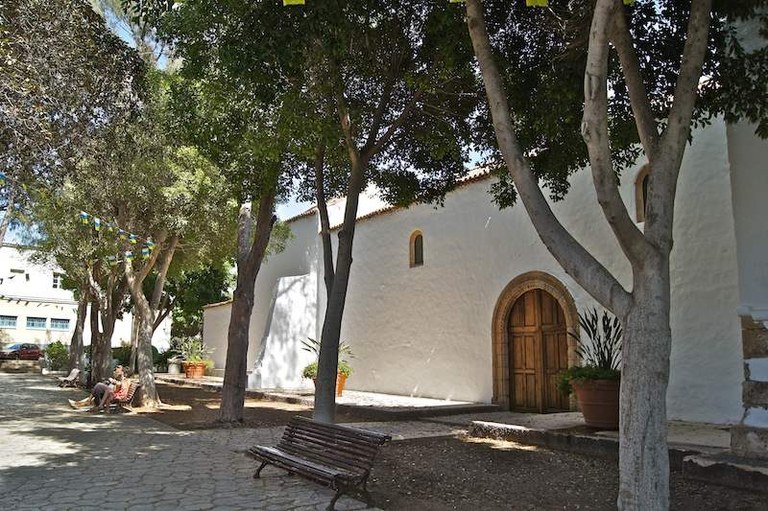
Situated in the heart of Fuerteventura island, Pájara is seen as something of an oasis. It is a somewhat relaxed town, despite its official title as the administrative capital of the municipality. Garlanded with colourful hedgerow and trees, Pájara is a quaint and peaceful abode.
Centred around a Latin-American styled church, the economy is driven mainly by agriculture. Pájara offers an interesting insight into the life of a small island town, yet is not far away from Fuerteventura’s famous beaches and deserts.
Economy
Agriculture continues to thrive as the Pájara's main source of income, this particularly includes the cultivation of tomatoes and potatoes. Goat breeding is also found in the region whilst fishing is common in the contiguous settlement of Puerto de la Peña.
How to get there
By Bus:
Tiadhe bus number 4 (€5.10, daily at 16:15) runs from Morro Jable to Pájara, and vice versa (daily at 06:30). Tiadhe bus number 9 (€6.95, daily at 16:00) also operates from Morro Jable, stopping at Tuineje, Gran Tarajal and Costa Calma en route, and vice versa (daily at 06:30). Tiadhe bus number 18 (€3.10, three a day on weekdays) runs directly from Gran Tarajal.
By Car:
If driving from Puerto del Rosario, take the FV-20 motorway heading towards Tuineje.
Sight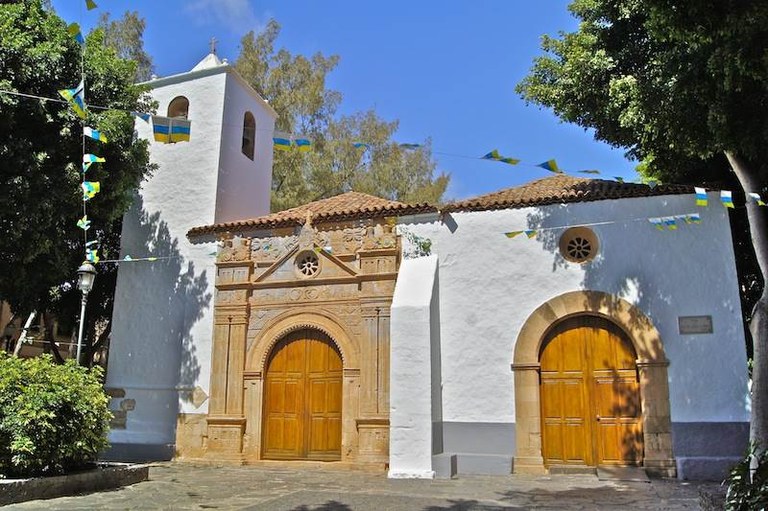
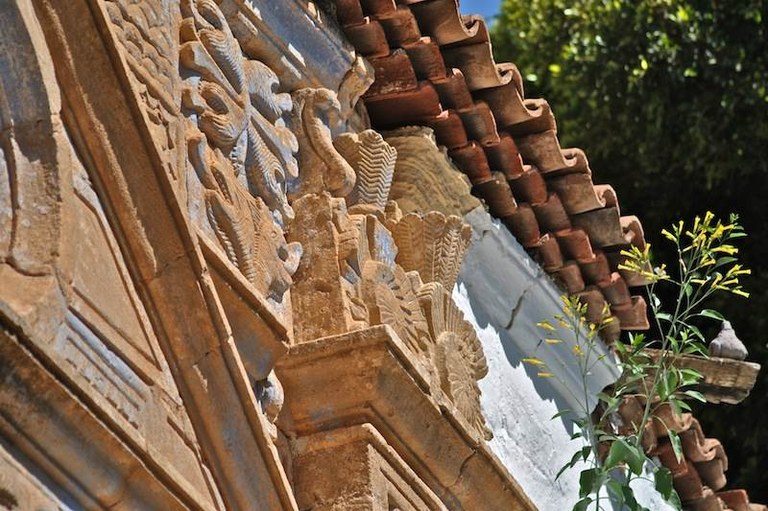
If you happen to be in Pájara, do not forget to pay a visit to the Iglesia de Nuestra Señora de Regla church.
Iglesia de Nuestra Señora de Regla (church) and around
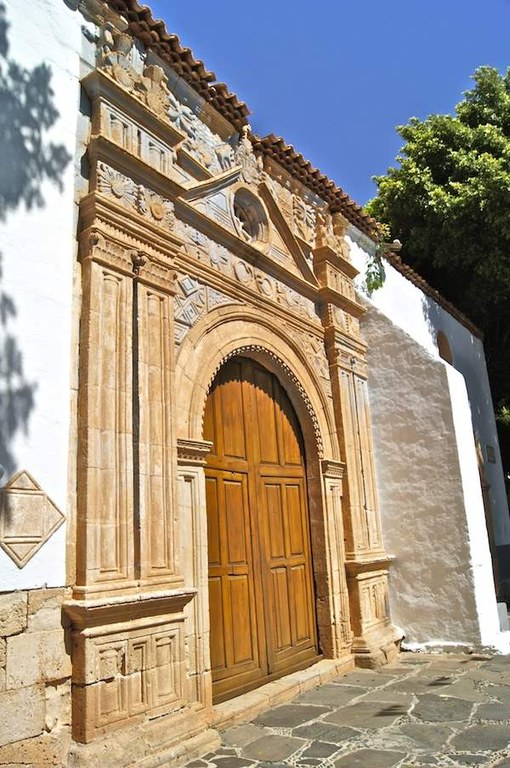
This 17th century church is absolutely unique in that its Aztec-inspired facade, complete with animal motifs, is unmistakably Latin American, as opposed to the Baroque architecture of mainland Spain.
Built between 1687 and 1711, the church also includes an intricate stone doorway, a breathtaking carved wooden ceiling, and a Virgin statue behind the altar, purportedly donated by a wealthy Mexican immigrant.
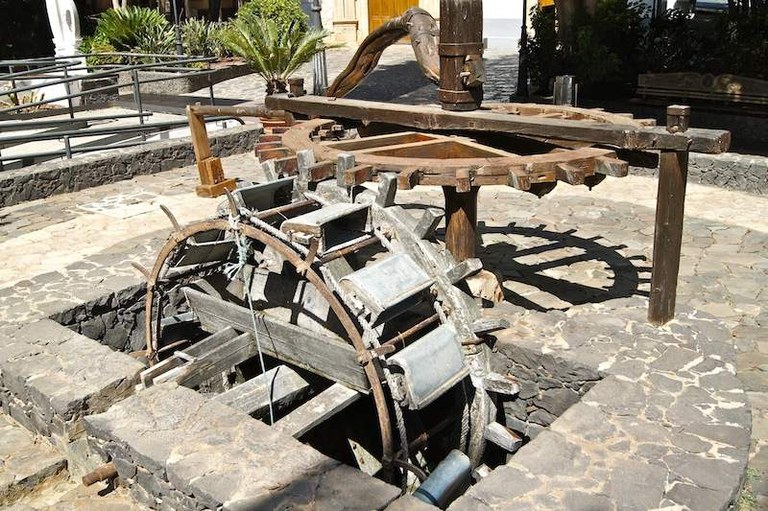
The church looks onto a gorgeous tree-lined square complete with small independent cafes and a charming old waterwheel, previously driven by camels. For children, behind the church there is a playground and public swimming pool.
Address: Calle Real 2, 35628 Pájara, Fuerteventura island.
Tuineje town
The quaint town of Tuineje, situated 8km away, is worth a visit for its 18th century church and Windmill Interpretation Centre. See Tuineje for more information.
Beaches
There is a beach at Puerto de la Peña, a few kilometres away from Pájara.
Puerto de la Peña
If you have access to a car and the tingle of ocean spray appeals to you, why not pay a visit to this small fishing hamlet, roughly 9km away. Fronted by black sands, with a panoramic view of fishing boats bobbing on the water, there is also a walking track adjacent to the beach’s plethora of boulders and rocks.
Directions: From Pájara, head southwest along Calle Terrero/ FV-617 towards Calle Real. Continue for approximately 8km before turning right onto the FV-621.
Festivals
Pájara celebrate several festivals each year:
Carnival
Held during February and March each year (date varies), this festive affair consists of costume parade, live music, markets and contests. The highlight of the festival, however, is the traditional El Entierro de la Sardin (The Burial of the Sardine). The ritual, a kind of maritime equivalent to our Harvest Festival, is conducted throughout Spain and was also depicted in a Goya painting. Interestingly, in the Canary Islands, the sardine is set alight instead of being buried.
Other fiestas
Fiesta of Nuestra Señora de Regla (Our Lady of Regla) - July
Restaurants
Despite its small size, the town has a few rustic eateries serving honest and hearty food.
Restaurante la Fonda
Located opposite the church, this cosy restaurant, complete with wooden beams and stone walls, serves an excellent selection using local produce. Make sure to try one of the traditional rabbit or kid dishes. Mains range from €6-12 per head.
Address: Calle Nuestra Señora de Regla 23, 35628 Pájara, Fuerteventura island.
Telephone: +34 928 161 625
Nightlife
Pájara and its namesake municipality are something of a sparse affair when it comes to nightlife. If looking for a night on the town, your best bet is to make your way to the likes of Costa Calma, on the east cost of the Jandía peninsula. Here, there are a smattering of bars and discos playing europop and maybe a tad bit of salsa.