

- Hungary
- Ireland
- Italy
- Malta, Republic of
- Portugal
-
Spain
-
Canary Islands
- El Hierro
- La Palma
- La Gomera
- Tenerife
- Gran Canaria
- Lanzarote
- Fuerteventura
- Tarajalejo
- Caleta de Fuste
- Corralejo
- Costa Calma
- Las Palmas de Gran Canaria
- Lobos Island
- Maspalomas
- Caleta de Famara
- Morro Jable
- Costa Teguise
- Jandía
- San Cristóbal de La Laguna
- Playa Blanca
- Playa de las Americas
- Puerto Calero
- Teide National Park
- Playa del Inglés
- Puerto del Carmen
- Los Realejos
- Puerto de Mogán
- Las Galletas
- La Orotava
- Anaga
- San Agustín
- Adeje
- San Bartolomé de Tirajana
- Puerto de la Cruz
- Los Cristianos
- Arrecife
- El Médano
- Orzola
- Masca
- Taurito
- Los Gigantes
- Fañabé
- Santa Cruz de Tenerife
- Santiago del Teide
- Garachico
- Punta del Hidalgo
- La Caleta
- Balearic Islands
-
Barcelona
-
Benalmádena
-
Cádiz
-
Córdoba
-
Jerez de la Frontera
-
Lleida
-
Málaga
-
Santander
-
Seville
-
Toledo
-
Canary Islands
Overview of Isla de los Lobos
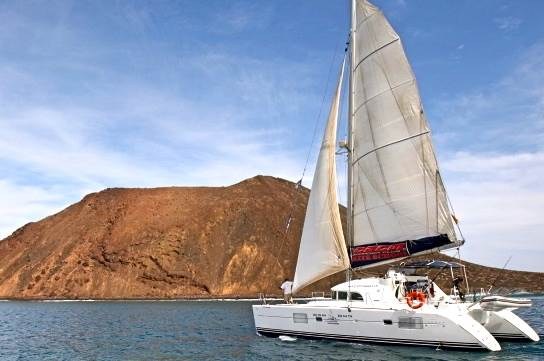
While visiting Fuerteventura, take a trip to Isla de los Lobos and experience the tranquillity of this beautiful island. The small, remote island is part of the Parque Natural Islote de Lobos and has taken its name from the colony of monk seals used to exist on the island. The island is an ecologist’s dream; a large number of endangered species inhabit the area, some of which are unique to the island. There are over 130 different species of vegetation, and Isla de Lobos is also a specific area for the protection of birds, or ZEPA (Zona de Especial Protección para Aves). This island measures 4.4km² and being only 2km from the mainland of Fuerteventura, views of the island and the prevailing Atlantic are as good as can be found anywhere. Whilst relaxing on Playa de la Concha beach, you can watch the surfers, windsurfers and kite surfers, or even have a go yourself!
History
At the start of the 15th century the Normans arrived on Isla de los Lobos. At the time the island was home to a large colony of seals that gave the island its name - Lobos del Mar literally translates as sea wolves. Soldiers used the animals for meat and used their fat for oil to light lanterns. The seals were not hunted sustainably, and the ones that survived fled the island to escape death at the hands of the soldiers. There is no evidence to suggest that seals continue to reside on the island, but there are rumours speculating that the seal population is slowly returning.
Until 1968 the only inhabitants of the island were a lighthouse keeper and his family. Now there are a few fishing cottages, a small restaurant and a handful of families lucky enough to live here. The island was one of the first named as a protected area of the Parque Natural de las Dunas de Corralejo in 1982. In 1994 the Corralejo Dunes and Lobos became separate parks, and the island has since been declared as one of the Spanish areas for the protection of birds by the European Community Commission.
Culture
The inhabitants of the island are of Spanish descent. However, due to the isolation of the island they lead a somewhat different, more relaxed lifestyle to those living on the mainland. Respect for nature and the environment is extremely important here.
Economy
The few people who inhabit the island are make their living through fishing and tourism related activities such as ferry transportation that bring tourists to and from the island, and excursions.
How To Get There
Catamaran/ Minicruise excursions and water taxi
There are also catamaran and private charter excursions taking you across the strait to Isla de los Lobos.
Water taxi on semi rigid boat are also available.
Isla de Lobos Ferry
There are regular departures of glass bottom boat to Isla de los Lobos from the port of Corralejo.
Adult return €15.00, one way €8.00
Child return € 7.50, one way €4.00
Corralejo - Lobos - - - - - - - - - - - - - - - - Lobos - Corralejo
10:00 10:15
11:00 (s) 11:15 (s)
12:00 12:15
13:00 13:45
15:30 16:00
16:30 (s) 17:00 (s)
17:15 (s) 18:00 (s)
Note: timetable subject to change, (s) summer only. Journey takes about 15 minutes.